Introduction
Safety Officer Test Preparation – Complete Guide
Safety Officer Test Preparation is essential for anyone aiming to build a career in occupational health and safety. This guide is designed as a structured resource to help candidates understand key safety concepts, practical applications, and exam strategies.
In this Safety Officer Test Preparation guide, you will learn how organizations operate, how emergencies are handled, and what knowledge is required to pass the test successfully.
Personnel Qualification in Safety Officer Test Preparation
Preparation is understanding the qualifications and certifications required.
Key Requirements
- Relevant education in safety or engineering
- Professional certifications
- Practical field experience
Training areas include:
- Emergency response
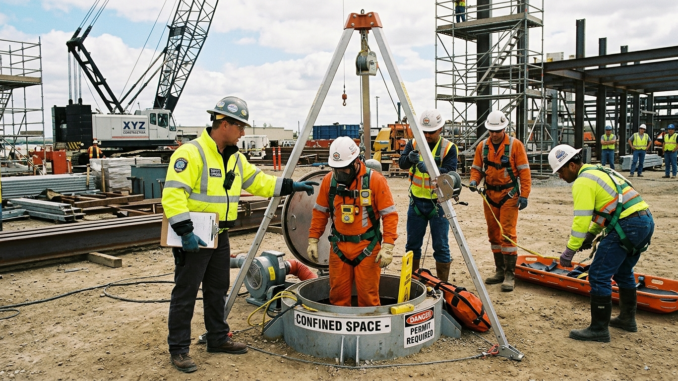
- Confined space entry
- Fire safety
- First aid
Proper training is essential in Safety Officer Test Preparation because it ensures competency.
Sample Questions and Answers
Q1: Why is Occupational Safety for a Safety Officer?
A: Certification ensures that the Safety Officer has met industry standards and possesses the required knowledge and skills.
Q2: What type of training is essential for safety personnel?
A: Emergency response, confined space safety, hazard identification, and firefighting training are essential.
Emergency Response in Safety Officer Test Preparation
Emergency response systems are a critical topic in Safety Officer Test Preparation.
Key Elements
- Emergency plans
- Alarm systems
- Communication procedures
- Evacuation plans
Understanding how organizations respond to emergencies is essential in Safety Officer Test Preparation.
Sample Questions and Answers
Q1: What is the first step in an emergency situation?
A: Raise the alarm and inform the emergency response team.
Q2: Why is communication important during emergencies?
A: It ensures coordination and prevents confusion, allowing quick and effective response.
Confined Space Safety in Safety Officer Test Preparation
Confined space safety is one of the most important topics in Safety Officer Test Preparation.
Examples
- Tanks
- Pipelines
- Manholes
Hazards
- Toxic gases
- Oxygen deficiency
- Fire risks
Controls
- Permit system
- Gas testing
- PPE usage
Mastering this topic is key for Safety Officer Test Preparation success.
Sample Questions and Answers
Q1: What is a confined space?
A: An enclosed area with limited entry/exit not designed for continuous occupancy.
Q2: What must be done before entering a confined space?
A: Gas testing, permit approval, and ensuring rescue arrangements are in place.
Hazard Identification in Safety Officer Test Preparation
Hazard identification is a core part of Safety Officer Test Preparation.
Steps
- Identify hazards
- Evaluate risks
- Apply controls
Understanding risks improves your Safety Officer Test Preparation performance significantly.
Types of Hazards:
- Physical (noise, heat)
- Chemical (toxic substances)
- Biological (bacteria, viruses)
- Mechanical (machinery risks)
Sample Questions and Answers
Q1: What is hazard identification?
A: The process of recognizing potential sources of harm.
Q2: What is risk assessment?
A: Evaluating the likelihood and severity of harm from identified hazards.
Permit-to-Work System in Safety Officer Test Preparation
The PTW system is a high-priority topic in Safety Officer Test Preparation.
Types
- Hot work
- Cold work
- Confined space
A strong understanding of PTW enhances Safety Officer Test Preparation outcomes.
Purpose:
- Ensure proper planning
- Control hazards
- Provide clear instructions
- Prevent accidents
Sample Questions and Answers
Q1: What is a PTW system?
A: A formal authorization process for hazardous work.
Q2: When is a hot work permit required?
A: During welding, cutting, or any activity involving sparks or heat.
Fire Safety in Safety Officer Test Preparation
Fire safety knowledge is essential in Safety Officer Test Preparation.
Fire Triangle
- Heat
- Fuel
- Oxygen
Preventive measures are frequently tested in Safety Officer Test Preparation exams.
Fire Prevention Measures:
- Proper storage of flammable materials
- Regular inspection
- Fire detection systems
- Fire extinguishers
Sample Questions and Answers
Q1: What are the elements of fire?
A: Heat, fuel, and oxygen.
Q2: How can fire be prevented?
A: By controlling ignition sources and flammable materials.
PPE in Safety Officer Test Preparation
Personal Protective Equipment is a repeated topic in Safety Officer Test Preparation.
Examples
- Helmets
- Gloves
- Respirators
Proper PPE knowledge strengthens your Safety Officer Test Preparation.
Responsibilities of Safety Officer:
- Ensure proper use
- Conduct inspections
- Provide training
Sample Questions and Answers
Q1: What is PPE?
A: Equipment worn to minimize exposure to hazards.
Q2: Why is PPE important?
A: It reduces the risk of injury and exposure.
Accident Investigation in Safety Officer Test Preparation
Accident investigation is another critical subject in Safety Officer Test Preparation.
Steps
- Collect evidence
- Identify causes
- Recommend actions
This topic is often included in Safety Officer Test Preparation exams.
Sample Questions and Answers
Q1: What is the purpose of accident investigation?
A: To prevent future incidents.
Q2: What should be done first after an accident?
A: Secure the area and ensure safety.
Safety Officer Test Preparation Tips
To succeed in Safety Officer Test Preparation:
- Practice daily
- Focus on real scenarios
- Revise key topics
- Solve MCQs
Consistency is the most important factor in Safety Officer Test Preparation.
Common Test Areas:
- Emergency response
- Hazard identification
- Permit systems
- Fire safety
- PPE usage
Conclusion
This guide provides a comprehensive overview of key topics required for Safety Officer Test Preparation in a company or organizational setting. By focusing on practical understanding and regularly practicing questions, you can significantly improve your chances of success.
Consistency is the key. Review each section, understand the concepts, and apply them in real-world scenarios. With proper preparation and confidence, you will be well-equipped to pass the test and perform effectively as a Safety Officer.
References and Last Reviewed
- OSHA 29 CFR 1926 Subpart C – General Safety and Health Provisions: osha.gov/1926SubpartC
Jurisdiction: United States – OSHA construction industry standards (29 CFR 1926). Verify local/site-specific requirements where this differs from your jurisdiction.
Last technically reviewed: September 2026
Reviewed by: EHS Guidelines Editorial Team
This article is educational. Apply current official rules, approved site procedures, manufacturer instructions and competent-person assessment for your actual worksite.
Related Guides
- Hydrostatic Pressure Test Safety: Full Procedure Guide 2026
- Personal Protective Equipment (PPE) in Safety Officer PPE Preparation Guide
- PSM Training Requirements Under 29 CFR 1910.119(g)
- Health & Safety Risk Assessment Template: Free Construction Guide
- Emergency Response System in Safety Officer Emergency Response Guide

Be the first to comment