Purpose
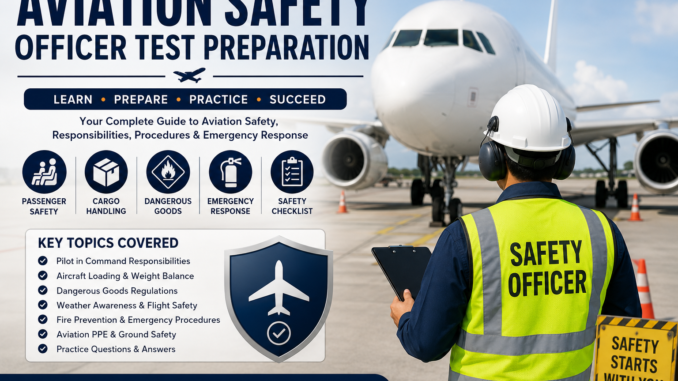
Aviation safety plays a critical role in protecting passengers, crew members, cargo, and aircraft during every stage of flight operations. Every organization operating aircraft must establish clear safety procedures that reduce risks and ensure compliance with aviation regulations. Safety Officers are responsible for identifying hazards, implementing preventive measures, monitoring safe work practices, and responding effectively to emergencies.
This chapter is designed as a Safety Officer Test Preparation Guide for candidates preparing for aviation-related safety examinations. It provides a structured overview of aviation safety principles commonly expected in industrial organizations. Instead of memorizing information, candidates should understand the purpose behind each safety requirement and learn how to apply it in real workplace situations.
During a Safety Officer examination, candidates may be asked about aircraft safety responsibilities, passenger management, cargo handling, dangerous goods, emergency response, fire prevention, aircraft inspections, weather hazards, and communication procedures. Reviewing this guide repeatedly and practicing the questions provided at the end of each section will improve confidence and examination performance.
References
The following documents and international guidelines provide the foundation for aviation safety management:
- Company General Safety Instructions (GSI)
- Organization Aviation Safety Procedures
- Company Safety Handbook – Minimum Safety Rules
- International Air Transport Association (IATA) Dangerous Goods Regulations
- International Civil Aviation Organization (ICAO) Safety Standards
- National Civil Aviation Regulations
- Organization Emergency Response Procedures
- Workplace Health and Safety Guidelines
These references help Safety Officers understand internationally accepted aviation safety practices while adapting them to company operations.
General Operating Responsibilities
Safe aviation operations require teamwork. Every individual involved in aircraft operations has specific responsibilities that contribute to overall flight safety. A Safety Officer should understand these responsibilities because examination questions frequently focus on accountability and decision-making.
General responsibilities include:
- Ensuring aircraft operations follow approved procedures.
- Conducting safety inspections before departure.
- Identifying hazards before they create incidents.
- Confirming passengers understand safety instructions.
- Ensuring cargo is loaded correctly.
- Monitoring weather conditions.
- Reporting unsafe conditions immediately.
- Following emergency response procedures.
- Wearing appropriate PPE during ground operations.
- Maintaining effective communication with operational personnel.
A Safety Officer must remember that aviation safety depends on prevention rather than reaction.
Pilot in Command (PIC)
The Pilot in Command (PIC) has overall responsibility for the safe operation of the aircraft. The PIC has the authority to make operational decisions before, during, and after the flight.
The Pilot in Command is responsible for:
- Confirming the aircraft is airworthy.
- Reviewing weather conditions before departure.
- Verifying aircraft documentation.
- Ensuring passenger safety.
- Supervising cargo loading.
- Confirming weight and balance requirements.
- Making the final Go or No-Go decision.
- Coordinating with ground personnel.
- Managing emergencies during flight.
- Protecting passengers, crew, and cargo throughout the operation.
A Safety Officer should understand that no flight should begin if safety requirements are not fully satisfied.
Practice Questions
Q1. Who has the final authority to approve or cancel a flight?
Answer: The Pilot in Command (PIC).
Q2. Why is weather assessment important before departure?
Answer: Because adverse weather can create unsafe flying conditions.
Q3. What is the main responsibility of the Pilot in Command?
Answer: Ensuring the overall safety of the aircraft, passengers, crew, and cargo.
Passenger Safety Responsibilities
Passengers also contribute to aviation safety by following all instructions provided before and during the flight.
Passengers should:
- Attend safety briefings.
- Wear seat belts when instructed.
- Follow crew directions.
- Avoid carrying prohibited items.
- Report unusual conditions immediately.
- Keep emergency exits clear.
- Store baggage properly.
- Remain seated during turbulence.
- Avoid distracting flight crew.
- Follow evacuation instructions during emergencies.
Passenger cooperation greatly reduces the likelihood of injuries during unexpected events.
Practice Questions
Q1. Why should passengers attend safety briefings?
Answer: To understand emergency procedures and safety instructions.
Q2. Why must emergency exits remain clear?
Answer: To allow rapid evacuation during emergencies.
Cargo Transportation Safety
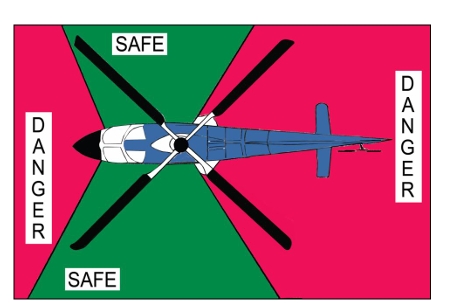
Improper cargo loading is one of the leading causes of aviation incidents. Cargo must be secured properly to prevent movement during takeoff, flight, and landing.
Important cargo safety principles include:
- Inspect cargo before loading.
- Secure cargo using approved restraints.
- Distribute weight evenly.
- Prevent cargo movement.
- Separate incompatible materials.
- Label dangerous goods correctly.
- Inspect cargo compartments.
- Prevent overloading.
- Maintain accurate cargo records.
- Follow company loading procedures.
Improperly secured cargo can shift during flight, affecting aircraft stability.
Practice Questions
Q1. Why is cargo secured before departure?
Answer: To prevent movement during flight.
Q2. What can happen if cargo shifts?
Answer: Aircraft balance and stability may be affected.
Dangerous Goods Transportation
Dangerous goods require special handling because they may present fire, chemical, explosive, or environmental hazards.
Examples include:
- Flammable liquids
- Compressed gases
- Corrosive chemicals
- Toxic materials
- Oxidizing substances
- Radioactive materials
- Lithium batteries
Safety Officers should verify:
- Correct packaging
- Proper labeling
- Documentation
- Emergency response information
- Storage compatibility
Improper transportation of dangerous goods can lead to serious accidents.
Practice Questions
Q1. Why must dangerous goods be labeled correctly?
Answer: To identify hazards and ensure safe handling.
Q2. Which international organization publishes Dangerous Goods Regulations?
Answer: International Air Transport Association (IATA).
Aircraft Loading Safety
Aircraft loading directly affects flight performance.
Loading personnel should ensure:
- Weight limits are not exceeded.
- Cargo is evenly distributed.
- Center of gravity remains within limits.
- Cargo restraints are secure.
- Passenger seating supports proper balance.
- Loose equipment is removed.
- Final inspections are completed.
Poor loading practices increase accident risk.
Practice Questions
Q1. Why is weight distribution important?
Answer: It maintains aircraft balance and stability.
Q2. Should overloaded aircraft be allowed to depart?
Answer: No.
Aviation Personal Protective Equipment (PPE)
Ground personnel working around aircraft should wear appropriate PPE.
Common PPE includes:
- Safety helmet
- Safety shoes
- High-visibility vest
- Hearing protection
- Safety gloves
- Safety goggles
- Respiratory protection when required
PPE protects workers from noise, moving equipment, fuel exposure, and impact hazards.
Practice Questions
Q1. Why are hearing protectors necessary near aircraft?
Answer: Aircraft engines produce extremely high noise levels.
Q2. Which PPE improves worker visibility?
Answer: High-visibility vest.
Conclusion
Aviation safety is one of the most important responsibilities in any organization that operates aircraft. Every flight involves potential risks, but these risks can be minimized through proper planning, effective communication, hazard identification, regular inspections, and strict compliance with safety procedures. Safety Officers play a key role in ensuring that passengers, crew members, cargo, and aircraft remain protected throughout all phases of flight operations.
For candidates preparing for a Safety Officer Test, understanding the principles of aviation safety is more valuable than simply memorizing answers. Focus on the responsibilities of the Pilot in Command (PIC), passenger safety, cargo handling, dangerous goods transportation, emergency response procedures, fire prevention, aircraft loading, weather awareness, and the correct use of Personal Protective Equipment (PPE). These topics are frequently covered in written examinations and practical interviews.
To achieve the best results, review this guide regularly, practice the questions and answers, and strengthen your knowledge through real-life safety scenarios. Consistent preparation will improve your confidence, decision-making skills, and ability to identify workplace hazards. By applying these aviation safety principles, you will not only perform better in your Safety Officer examination but also contribute to creating a safer and more efficient working environment in any organization.

Be the first to comment