2.1 Purpose
Marine operations involve transporting personnel, equipment, construction materials, and supplies using boats, barges, work vessels, and other marine craft. These activities are common in offshore construction projects, ports, coastal facilities, oil and gas operations, and marine logistics. Because work is performed on or near water, marine operations present unique hazards that require careful planning, competent supervision, and strict safety controls.
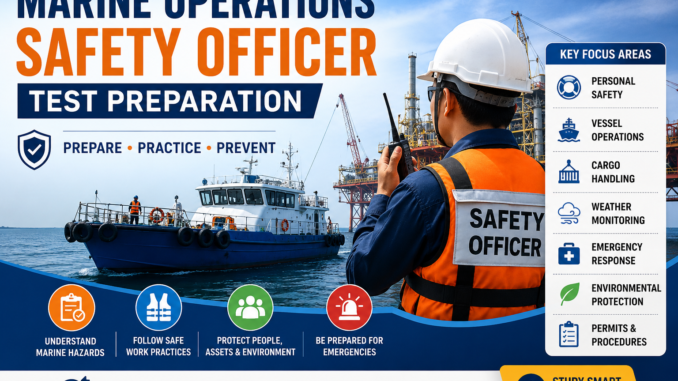
The purpose of this Marine Operations Safety Officer Test Preparation guide is to help candidates understand the fundamental safety requirements expected during marine activities. Instead of memorizing procedures, candidates should focus on recognizing hazards, applying preventive measures, and responding effectively during emergencies.
A Safety Officer must ensure that every marine operation follows the organization’s safety procedures, risk assessment process, emergency response plan, and environmental protection requirements. During the examination, candidates may be asked about vessel safety, cargo handling, personal protective equipment, emergency evacuation, weather monitoring, communication procedures, and environmental protection.
This guide provides structured explanations, practical examples, and examination-style questions to improve knowledge and build confidence before taking the Safety Officer test.
Marine Operations Safety Officer Test Preparation Guide
Marine operations should always be carried out in accordance with applicable company procedures, national regulations, international maritime requirements, and recognized industry best practices. Although every organization may have its own operating procedures, Safety Officers should be familiar with the following general references:
- Company Marine Safety Procedures
- Organization Emergency Response Plan
- Risk Assessment and Job Safety Analysis (JSA)
- Permit to Work (PTW) System
- Personal Protective Equipment (PPE) Requirements
- Environmental Protection Procedures
- Cargo Handling and Lifting Procedures
- Incident Reporting and Investigation Procedures
- First Aid and Emergency Medical Response Guidelines
- Working Over or Near Water Safety Procedures
Candidates are not expected to memorize document numbers. Instead, they should understand the purpose of these procedures and know how to apply them during marine activities.
Understanding Marine Operations
Marine operations include every activity involving the transportation of workers, equipment, materials, and machinery across rivers, lakes, harbors, offshore platforms, or coastal project sites. These operations may involve crew boats, supply vessels, barges, tugboats, workboats, floating cranes, and passenger vessels.
Since marine environments are constantly changing due to tides, currents, wind, and weather conditions, they require continuous monitoring and effective communication. Even a minor mistake can lead to serious accidents such as vessel collisions, personnel falling overboard, cargo shifts, environmental pollution, or vessel instability.
A Safety Officer is responsible for identifying these hazards before work begins and ensuring appropriate control measures are implemented throughout the operation.
Responsibilities of a Safety Officer During Marine Operations
A competent Safety Officer plays an important role in preventing accidents during marine activities. Their responsibilities include monitoring work practices, ensuring compliance with safety procedures, and promoting a safe working environment.
The Safety Officer should:
- Verify that all marine activities have been properly planned.
- Review the Job Safety Analysis before work starts.
- Ensure workers attend toolbox meetings.
- Confirm that all required permits have been approved.
- Inspect life-saving equipment before departure.
- Ensure emergency communication devices are operational.
- Verify weather conditions before authorizing work.
- Confirm that vessel operators are competent and authorized.
- Monitor cargo loading to prevent overloading.
- Ensure emergency rescue equipment is available.
- Report unsafe conditions immediately.
- Stop work whenever an unsafe condition develops.
These responsibilities frequently appear in Safety Officer examinations because they demonstrate practical understanding rather than simple memorization.
Hazards Associated with Marine Operations
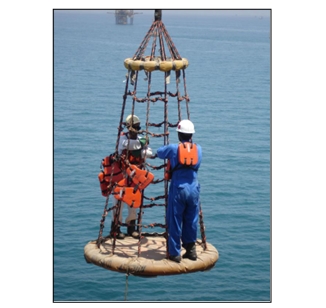
Marine operations expose workers to numerous hazards. A Safety Officer must recognize these hazards and ensure suitable control measures are in place before work begins.
Common hazards include:
Falling Overboard
Working near open water increases the risk of falling overboard. Wet decks, poor housekeeping, unstable footing, and improper use of guardrails can contribute to accidents.
Preventive measures include:
- Wearing approved life jackets.
- Installing guardrails where possible.
- Maintaining clean walking surfaces.
- Using slip-resistant footwear.
- Providing fall protection when necessary.
Adverse Weather Conditions
Weather significantly affects marine safety. Strong winds, heavy rain, rough seas, thunderstorms, and poor visibility can quickly create dangerous working conditions.
Before work begins, the Safety Officer should:
- Monitor weather forecasts.
- Suspend work during severe weather.
- Inform workers of changing conditions.
- Secure loose equipment.
- Follow the organization’s emergency procedures.
Vessel Collision
Poor communication, navigation errors, equipment failure, or reduced visibility may result in vessel collisions.
Preventive measures include:
- Maintaining effective communication.
- Following approved navigation routes.
- Using navigation lights.
- Maintaining safe speed.
- Keeping proper lookout.
Cargo Shift
Improperly secured cargo may shift during transportation, affecting vessel stability and creating serious hazards for workers.
To reduce this risk:
- Distribute cargo evenly.
- Secure all loads properly.
- Avoid overloading.
- Follow lifting plans.
- Conduct cargo inspections before departure.
Fire and Explosion
Fuel systems, electrical equipment, hot work, and flammable materials increase the possibility of fire onboard.
Safety precautions include:
- Maintaining fire extinguishers.
- Inspecting fuel systems.
- Controlling ignition sources.
- Following hot work procedures.
- Conducting emergency drills regularly.
Personal Protective Equipment (PPE)
Proper PPE is essential during marine operations. Safety Officers must verify that all personnel wear suitable protective equipment based on the specific task.
Typical PPE includes:
- Approved life jackets
- Safety helmets
- Safety glasses
- Protective gloves
- Safety footwear
- High-visibility clothing
- Hearing protection
- Weather-resistant clothing when necessary
A life jacket is one of the most important items of PPE when working on or near water. Workers should inspect it before use and wear it correctly throughout the operation.
Marine Emergency Response
Every marine operation should have a clearly defined emergency response plan. Safety Officers must ensure workers understand emergency procedures before departure.
Emergency situations may include:
- Person overboard
- Fire onboard
- Medical emergency
- Vessel collision
- Fuel spill
- Severe weather
- Equipment failure
- Vessel evacuation
Emergency drills should be conducted regularly so that workers know exactly what actions to take without hesitation.
Candidates preparing for the Safety Officer examination should understand the emergency response sequence, reporting procedures, evacuation methods, and communication protocols commonly used during marine operations.
Be the first to comment