Safety Officer Test Preparation
Fall Arrest Equipment knowledge is a critical part of every Safety Officer Test Preparation program. Workers who perform tasks at elevated locations face serious risks if proper fall protection measures are not implemented. Understanding full-body harnesses, shock-absorbing lanyards, self-retracting lifelines, anchor points, and inspection requirements can help prevent injuries and fatalities.
This guide is designed as a structured preparation resource for safety professionals. The content explains essential fall arrest equipment requirements, safe usage practices, inspection procedures, emergency response expectations, and exam-style questions. Repeated review of these questions will improve confidence and help candidates prepare for workplace assessments and safety officer examinations.
What is Fall Arrest Equipment?
Fall Arrest Equipment refers to specialized equipment designed to stop a worker safely during a fall and reduce injury risk.
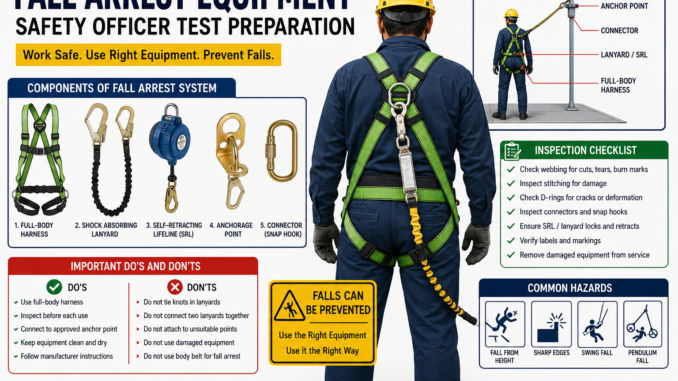
Common components include:
- Full-body harness
- Shock-absorbing lanyard
- Self-retracting lifeline (SRL)
- Anchorage point
- Connectors and snap hooks
- Beam straps
- Rope grabs
The objective is to arrest a fall before the worker strikes a lower level.
Fall Arrest Equipment Requirements
Full-Body Harness Requirements
A full-body harness should be worn whenever workers are exposed to fall hazards at elevated work locations.
Key requirements include:
- Proper fit and adjustment
- No damaged stitching
- Leg straps secured
- D-ring positioned correctly
- Manufacturer labels visible
A full-body harness distributes fall forces across the body more effectively than older belt systems.
Why Safety Belts Should Not Be Used
Traditional body belts should not be used as part of a personal fall arrest system because they can cause severe injury during a fall.
Modern safety programs require:
- Full-body harnesses
- Approved connectors
- Suitable anchorage systems
Fall Arrest Equipment and Lanyards
Proper Lanyard Usage
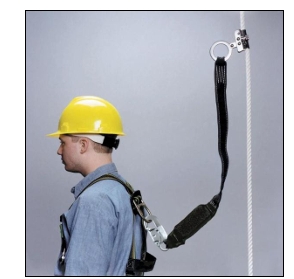
Lanyards connect a worker’s harness to an approved anchorage point.
Workers should ensure:
- Lanyards are connected correctly.
- Anchorage points are approved.
- Equipment is inspected before use.
- Connectors are locked and secured.
Fall Arrest Equipment Inspection
Inspect lanyards for:
- Cuts
- Burns
- Fraying
- Chemical damage
- Broken stitching
- Damaged hardware
Defective equipment must be removed from service immediately.
Fall Arrest Equipment and Anchor Points
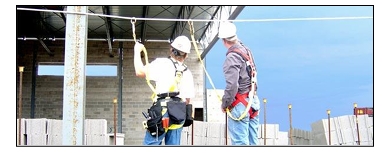
Anchor points are among the most important components of a fall protection system.
An anchor point should:
- Be approved by a competent person.
- Support required loads.
- Be free from damage.
- Be inspected regularly.
Whenever possible, the anchor point should be located above the worker to minimize free-fall distance.
Fall Arrest Equipment and Self-Retracting Lifelines
Self-Retracting Lifeline (SRL) Safety
Self-retracting lifelines automatically extend and retract as workers move.
Advantages include:
- Reduced free-fall distance
- Greater worker mobility
- Faster fall arrest
Workers should:
- Inspect the SRL before use.
- Connect directly to the harness D-ring.
- Follow manufacturer instructions.
- Remove damaged units from service.
Fall Arrest Equipment Inspection Checklist
Daily Inspection Requirements
Before each use, workers should inspect:
- Harness webbing
- Stitching
- D-rings
- Snap hooks
- Carabiners
- Lifelines
- Shock absorbers
Look for:
- Cracks
- Corrosion
- Missing components
- Excessive wear
A documented inspection program strengthens workplace safety.
Preventing Common Fall Arrest Equipment Mistakes
Mistake 1: Connecting Two Lanyards Together
Lanyards should never be connected together to create additional length.
Mistake 2: Tying Knots in Lanyards
Knots significantly reduce strength and may cause equipment failure.
Mistake 3: Using Damaged Equipment
Equipment showing signs of damage must be removed immediately.
Mistake 4: Improper Anchor Selection
Workers should only use approved anchor points.
Mistake 5: Ignoring Sharp Edges
Sharp edges can damage harnesses and lanyards.
Protective measures should always be implemented.
Emergency Response for Fall Incidents
An effective emergency response plan should include:
- Incident reporting procedures
- Rescue equipment availability
- Emergency contact information
- First aid arrangements
- Rescue team responsibilities
Quick rescue reduces the risk of suspension trauma.
Fall Arrest Equipment Training Requirements
Training programs should include:
- Hazard recognition
- Equipment selection
- Equipment inspection
- Rescue procedures
- Safe work practices
Regular refresher training improves worker competency.
Fall Arrest Equipment Test Questions and Answers
Question 1
What is the primary purpose of fall arrest equipment?
A. Improve productivity
B. Prevent injuries from falls
C. Reduce labor costs
D. Increase work speed
Answer: B. Prevent injuries from falls
Question 2
Which component distributes fall forces across the body?
A. Rope
B. Harness
C. Ladder
D. Scaffold
Answer: B. Harness
Question 3
When should fall arrest equipment be inspected?
A. Weekly
B. Monthly
C. Before each use
D. Yearly
Answer: C. Before each use
Question 4
What should workers do if a lanyard is damaged?
A. Continue using it
B. Repair it personally
C. Remove it from service
D. Ignore the damage
Answer: C. Remove it from service
Question 5
Can two lanyards be connected together?
A. Yes
B. No
Answer: B. No
Question 6
What should a worker connect a self-retracting lifeline to?
A. Tool belt
B. Handrail
C. Harness D-ring
D. Scaffold plank
Answer: C. Harness D-ring
Question 7
Why should knots not be tied in lanyards?
A. Improves strength
B. Reduces strength
C. Makes inspection easier
D. Saves time
Answer: B. Reduces strength
Question 8
What should workers do around sharp edges?
A. Ignore them
B. Protect equipment from contact
C. Work faster
D. Disconnect protection
Answer: B. Protect equipment from contact
Question 9
Who should approve anchor points?
A. Any worker
B. Competent person
C. Visitor
D. Security guard
Answer: B. Competent person
Question 10
Why is emergency rescue planning important?
A. Compliance paperwork only
B. Faster production
C. Prevent suspension trauma
D. Reduce training
Answer: C. Prevent suspension trauma
Scenario-Based Questions
Scenario 1
A worker discovers cuts in a harness strap before work.
Answer: Remove the harness from service and replace it with approved equipment.
Scenario 2
A worker ties a knot in a lanyard to shorten it.
Answer: Stop work and replace the lanyard. Knots reduce equipment strength.
Scenario 3
A worker attaches a lanyard to an unapproved pipe.
Answer: Disconnect immediately and use an approved anchor point.
Scenario 4
A worker falls while wearing a harness and remains suspended.
Answer: Activate emergency rescue procedures immediately.
Scenario 5
A supervisor finds workers using equipment that failed inspection.
Answer: Stop work and remove defective equipment from service.
Fall Arrest Equipment Exam Preparation Tips
Fall Arrest Equipment Study Strategy
- Learn equipment components.
- Understand inspection requirements.
- Memorize anchor point rules.
- Practice scenario questions.
- Review rescue procedures.
- Study common equipment failures.
- Understand worker responsibilities.
- Repeat practice questions daily.
Conclusion
Fall Arrest Equipment is one of the most important topics in Safety Officer Test Preparation. Understanding harnesses, lanyards, lifelines, anchor points, inspections, and emergency response procedures helps safety professionals perform effectively and protect workers at height. Consistent practice with these questions and scenarios will improve knowledge, confidence, and examination performance.
References and Last Reviewed
- OSHA 29 CFR 1926 Subpart M – Fall Protection: osha.gov/1926SubpartM
Jurisdiction: United States – OSHA construction industry standards (29 CFR 1926). Verify local/site-specific requirements where this differs from your jurisdiction.
Last technically reviewed: September 2026
Reviewed by: EHS Guidelines Editorial Team
This article is educational. Apply current official rules, approved site procedures, manufacturer instructions and competent-person assessment for your actual worksite.



1 Trackback / Pingback