Safety Officer Test Preparation
Introduction
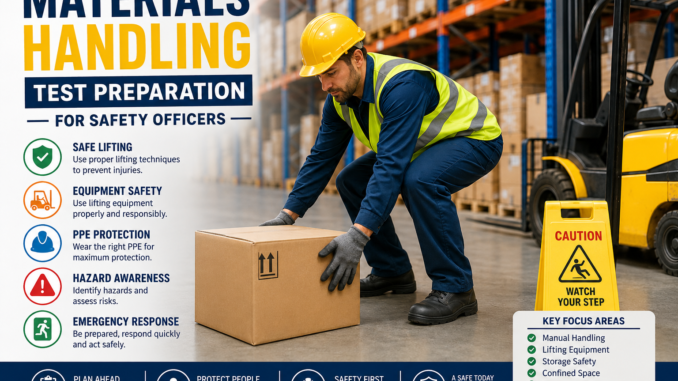
Safety Officer Test Preparation is essential for candidates preparing for industrial safety exams and workplace safety interviews. Materials handling is one of the most important areas in workplace safety because improper handling techniques can lead to injuries, equipment damage, production loss, and serious accidents.
What is Materials Handling?
Importance of Materials Handling Test Preparation
Materials handling refers to the movement, storage, protection, and control of materials inside a workplace or industrial organization.
A Safety Officer Must Understand
- Manual lifting procedures
- Mechanical lifting equipment
- Storage safety
- Load securing techniques
- Emergency response procedures
- Hazard identification
- Confined space precautions
Types of Materials Handling
Manual Materials Handling
Manual handling includes lifting, carrying, pushing, pulling, and moving objects without mechanical assistance.
Common Hazards
- Back injuries
- Muscle strain
- Slips and falls
- Hand injuries
- Fatigue
Mechanical Materials Handling
Mechanical handling involves using equipment such as:
- Forklifts
- Cranes
- Hoists
- Conveyors
- Pallet jacks
Safe Lifting Techniques
Materials Handling Test Preparation for Manual Lifting
Correct lifting methods reduce injury risk and improve workplace safety.
Safe Lifting Steps
- Inspect the load before lifting
- Keep feet shoulder-width apart
- Bend the knees, not the back
- Keep the load close to the body
- Lift slowly without twisting
- Use team lifting when necessary
Unsafe Lifting Practices
- Twisting while lifting
- Lifting overweight objects alone
- Sudden jerking movements
- Poor body posture
- Carrying loads that block vision
Workplace Storage Safety
Sub-Divisional Canal Officer, Mia chanoo Sub-Division,
From:
Sub-Engineer Sahib, good report, it is requested that Rana Muhammad Ashiq, son of
Khursheed Ahmed, Chowk No. 59/61, 57 Kanal, one Marla, a complete mango orchard is
available, it requires water, which should be given appropriately. It is requested that the
The orchard is fully fruitful and additional water is required.
It is requested that it be approved. It is mandatory to submit a port application.
Sub-Engineer:
Kacha Khuh 9/-R
Proper Storage Methods
Improper storage can create serious workplace hazards.
Safety Guidelines
- Stack materials evenly
- Keep emergency exits clear
- Use proper labeling systems
- Store hazardous materials separately
- Secure unstable loads
Common Storage Hazards
- Falling objects
- Blocked walkways
- Chemical leaks
- Fire hazards
- Collapse of stacked materials
Forklift Safety Awareness
Materials Handling Test Preparation for Equipment Safety
Forklifts are commonly used in industrial workplaces.
Important Forklift Rules
- Operators must be trained
- Seat belts must be used
- Loads must remain stable
- Speed limits must be followed
- Forks should stay low while driving
Common Forklift Hazards
- Overloading
- Sharp turns
- Poor visibility
- Pedestrian collisions
- Uneven surfaces
Crane and Rigging Safety
Basic Rigging Awareness
Rigging operations require proper planning and inspection.
Important Rigging Checks
- Inspect slings before use
- Verify load weight
- Check lifting capacity
- Maintain communication signals
- Keep workers away from suspended loads
Common Rigging Hazards
- Sling failure
- Improper load balancing
- Falling loads
- Equipment malfunction
Confined Space Awareness
Materials Handling Test Preparation for Confined Spaces
Confined spaces present serious hazards because of limited entry and exit points.
Examples of Confined Spaces
- Tanks
- Silos
- Pipelines
- Underground vaults
Confined Space Hazards
- Oxygen deficiency
- Toxic gases
- Fire hazards
- Limited ventilation
- Engulfment risks
Safety Requirements
- Gas testing before entry
- Entry permit system
- Emergency rescue plan
- Standby attendant
- Ventilation equipment
Emergency Response Procedures
Emergency Response Pattern in Industrial Organizations
Emergency response planning is critical in workplace safety.
Basic Emergency Steps
- Identify the emergency
- Raise the alarm
- Notify emergency responders
- Evacuate affected personnel
- Provide first aid if trained
- Secure the area
- Report the incident
Types of Workplace Emergencies
- Fire incidents
- Chemical spills
- Gas leaks
- Equipment failure
- Medical emergencies
Personal Protective Equipment (PPE)
Importance of PPE in Materials Handling
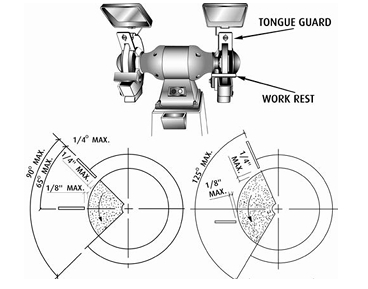
PPE protects workers from injuries during handling operations.
Common PPE
- Safety helmets
- Gloves
- Safety shoes
- Eye protection
- Reflective vests
PPE Inspection Guidelines
- Inspect before use
- Replace damaged PPE
- Use correct PPE for tasks
- Maintain cleanliness
Hazard Identification and Risk Assessment
Materials Handling Test Preparation for Hazard Control
Hazard identification is a major responsibility of Safety Officers.
Common Workplace Hazards
- Slippery floors
- Improper lifting
- Poor housekeeping
- Sharp edges
- Electrical exposure
Risk Assessment Process
- Identify hazards
- Determine risk level
- Apply control measures
- Monitor effectiveness
- Review regularly
Housekeeping Safety
Importance of Good Housekeeping
Good housekeeping improves workplace safety and productivity.
Housekeeping Rules
- Keep walkways clear
- Clean spills immediately
- Store tools properly
- Remove waste regularly
- Maintain proper lighting
Materials Handling Test Questions and Answers
Question 1: What is Materials Handling?
Answer: Materials handling is the movement, storage, control, and protection of materials in a workplace or industrial organization.
Question 2: What Are the Common Injuries Caused by Improper Lifting?
Answer: Back injuries, muscle strain, shoulder injuries, slips, and falls.
Question 3: Why is PPE Important During Handling Activities?
Answer: PPE protects workers from physical injuries, falling objects, sharp materials, and chemical exposure.
Question 4: What Should Be Checked Before Using Lifting Equipment?
Answer: Slings, hooks, brakes, load capacity, and overall equipment condition.
Question 5: What is a Confined Space?
Answer: An enclosed area with limited entry and exit that may contain hazardous atmospheres or other safety risks.
Question 6: What is the First Step During an Emergency?
Answer: Identify the emergency and raise the alarm immediately.
Question 7: Why is Housekeeping Important in Workplace Safety?
Answer: It prevents slips, trips, falls, fire hazards, and workplace congestion.
Question 8: What Are Common Forklift Hazards?
Answer: Overloading, poor visibility, speeding, and pedestrian collisions.
Question 9: What is Risk Assessment?
Answer: The process of identifying hazards, evaluating risks, and implementing control measures.
Question 10: Why Should Workers Avoid Twisting While Lifting?
Answer: Twisting while lifting increases pressure on the spine and may cause serious back injuries.
Scenario-Based Practice Questions
Scenario 1
A Worker Attempts to Lift a Heavy Object Alone and Suffers Back Pain
Answer: The worker failed to follow safe lifting procedures and should have requested assistance or used mechanical lifting equipment.
Scenario 2
A Forklift Operator Drives with an Elevated Load and Blocks Visibility
Answer: The elevated load creates collision and tipping hazards due to poor visibility.
Scenario 3
Workers Enter a Tank Without Gas Testing
Answer: Workers may be exposed to toxic gases or oxygen deficiency inside the confined space.
Tips for Passing the Materials Handling Test
Materials Handling Test Preparation Tips
- Study workplace safety fundamentals
- Practice scenario-based questions
- Understand lifting equipment safety
- Learn emergency response procedures
- Review confined space hazards
- Focus on hazard identification
- Practice PPE inspection questions
Conclusion
Materials Handling Test Preparation is extremely important for anyone preparing for a Safety Officer role in an industrial workplace or organization. Understanding lifting procedures, hazard identification, emergency response systems, confined spaces, and workplace safety practices helps candidates perform better during interviews and written exams.
Use this guide regularly, review the questions multiple times, and practice real workplace scenarios to strengthen your safety knowledge and improve exam confidence.
Be the first to comment