Safety Officer Test Preparation
Introduction
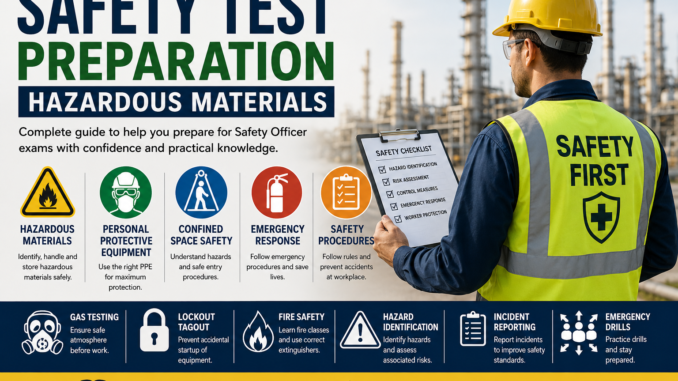
Safety Test preparation is important for candidates who want to build strong knowledge about workplace safety, hazardous materials, emergency response systems, and confined space procedures. This preparation guide is designed for individuals preparing for company and organization safety examinations in industrial environments.
This structured guide explains hazardous material handling, emergency response patterns, confined space hazards, fire prevention systems, and workplace safety rules. Each topic includes explanations followed by practical questions and answers to improve understanding and confidence.
Use this guide as a complete Safety Test preparation resource. Review the questions regularly, practice different scenarios, and strengthen your ability to respond safely in industrial workplaces.
What Are Hazardous Materials?
Hazardous materials are substances that can harm people, equipment, property, or the environment. These materials may be flammable, toxic, corrosive, radioactive, or reactive.
Industrial organizations use hazardous materials in manufacturing plants, oil and gas facilities, chemical units, and construction sites. Workers must understand safe handling, storage, transportation, and emergency procedures.
Common Hazardous Materials
- Flammable liquids
- Toxic gases
- Corrosive chemicals
- Compressed gases
- Explosive materials
- Radioactive substances
Proper training is essential during every Safety Test preparation program.
Hazard Communication System
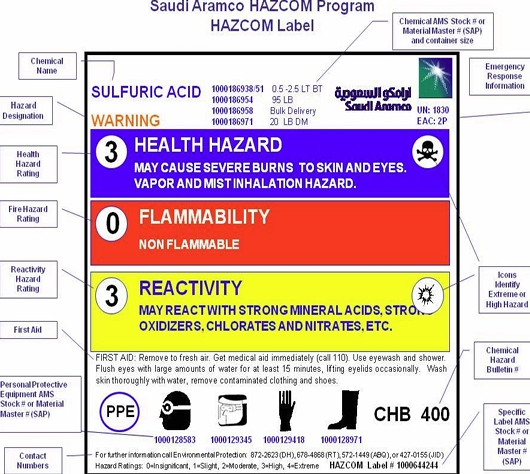
The Hazard Communication System helps workers identify chemical hazards through labels, warning signs, and Safety Data Sheets (SDS).
Important Elements
- Chemical labeling
- Warning symbols
- Safety Data Sheets
- Employee training
- PPE requirements
Question and Answer
Q1: What is the purpose of an SDS?
A: An SDS provides information about chemical hazards, safe handling, storage, and emergency procedures.
Q2: Why are chemical labels important?
A: Labels help workers identify hazards quickly and prevent accidents.
Personal Protective Equipment (PPE)
PPE protects workers from workplace hazards during hazardous material handling.
Common PPE
- Safety helmet
- Safety goggles
- Gloves
- Respirators
- Safety shoes
- Chemical suits
During a Safety Test, questions about PPE selection are very common.
Question and Answer
Q1: When should respirators be used?
A: Respirators should be used when workers are exposed to harmful gases, fumes, or dust.
Q2: Why are chemical-resistant gloves necessary?
A: They protect hands from burns, irritation, and chemical exposure.
Confined Space Safety
Confined spaces are areas with limited entry and exit where hazardous atmospheres may exist.
Examples of Confined Spaces
- Storage tanks
- Pipelines
- Vessels
- Sewers
- Underground pits
Confined Space Hazards
- Oxygen deficiency
- Toxic gases
- Fire hazards
- Explosions
- Heat stress
Workers must follow entry permit systems before entering confined spaces.
Question and Answer
Q1: What is a confined space entry permit?
A: It is an authorized document allowing safe entry into confined spaces.
Q2: Why is gas testing required before entry?
A: Gas testing ensures oxygen levels and toxic gases are within safe limits.
Emergency Response Pattern
Every organization follows an emergency response system to protect workers during incidents.
Emergency Situations
- Fire emergencies
- Chemical spills
- Gas leaks
- Medical emergencies
- Explosions
Emergency Response Steps
- Raise the alarm
- Inform supervisors
- Evacuate safely
- Use emergency equipment
- Follow assembly point instructions
Emergency response questions are frequently included in Safety Test examinations.
Question and Answer
Q1: What should workers do after hearing an emergency alarm?
A: Workers should stop work immediately and move to the assembly point safely.
Q2: Why are emergency drills important?
A: Emergency drills improve preparedness and reduce panic during real incidents.
Fire Prevention and Fire Safety
Fire prevention is one of the most important parts of workplace safety.
Classes of Fire
- Class A – Solid materials
- Class B – Flammable liquids
- Class C – Electrical fires
- Class D – Metal fires
Fire Prevention Tips
- Keep work areas clean
- Store chemicals safely
- Inspect electrical systems
- Avoid ignition sources
- Maintain fire extinguishers
Question and Answer
Q1: Which extinguisher is used for electrical fires?
A: CO2 extinguishers are commonly used for electrical fires.
Q2: What is the fire triangle?
A: Heat, fuel, and oxygen form the fire triangle.
Gas Testing Procedures
Gas testing is essential before starting work in hazardous areas.
Types of Gas Testing
- Oxygen level testing
- Flammable gas testing
- Toxic gas testing
Safe Oxygen Levels
Normal oxygen level is approximately 20.9%.
Question and Answer
Q1: Why is gas monitoring important?
A: It protects workers from toxic exposure and explosions.
Q2: What happens if oxygen levels are low?
A: Workers may experience breathing difficulty or unconsciousness.
Lockout and Tagout (LOTO)
LOTO procedures prevent accidental machine startup during maintenance activities.
Purpose of LOTO
- Worker protection
- Energy isolation
- Accident prevention
Question and Answer
Q1: What does lockout mean?
A: Lockout means isolating equipment using locks to prevent operation.
Q2: Why are tags used in LOTO?
A: Tags provide warning information about maintenance work.
Workplace Safety Signs
Safety signs communicate hazards and instructions.
Types of Signs
- Warning signs
- Mandatory signs
- Prohibition signs
- Emergency signs
Question and Answer
Q1: What color is commonly used for danger signs?
A: Red is commonly used for danger signs.
Q2: Why are safety signs important?
A: They help prevent accidents by giving safety instructions.
Incident Reporting Procedures
Every workplace incident must be reported immediately.
Benefits of Incident Reporting
- Prevent future accidents
- Improve workplace safety
- Identify root causes
- Enhance worker awareness
Question and Answer
Q1: What should workers do after an accident?
A: Report the incident immediately to supervisors.
Q2: Why is incident investigation important?
A: It helps identify causes and corrective actions.
Safety Test Preparation Tips
Best Preparation Methods
- Study workplace hazards daily
- Practice safety questions regularly
- Understand emergency procedures
- Learn PPE requirements
- Review confined space rules
- Practice hazard identification
Repeated practice improves performance in every Safety Test examination.
Conclusion
Safety Test preparation helps candidates develop confidence and workplace safety knowledge. Understanding hazardous materials, confined spaces, emergency response systems, gas testing, and fire prevention procedures is essential for industrial safety roles.
This guide provides detailed explanations and practical questions to help candidates prepare effectively. Continue practicing scenario-based questions and reviewing safety procedures regularly for better exam performance and safer workplace behavior.
Be the first to comment