Table of Contents
ToggleSafety Officer Test Preparation
Introduction
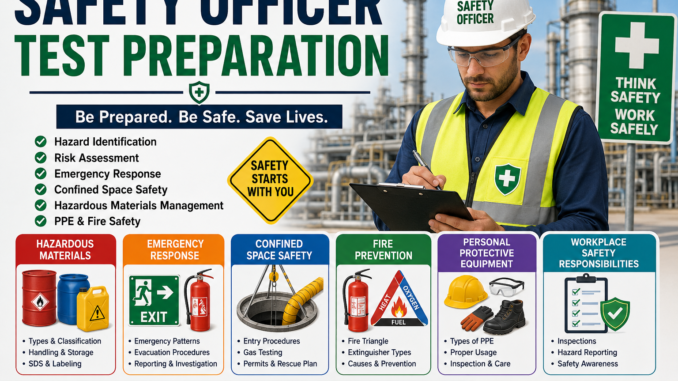
Safety Officer Test Preparation is essential for candidates preparing for workplace safety examinations and industrial safety roles. This guide helps candidates understand hazardous materials, emergency response patterns, confined space hazards, fire prevention systems, and workplace safety procedures commonly used by organizations and companies.
This Safety Officer Test Preparation guide is designed to improve technical knowledge and build confidence through practical questions and answers. Candidates should carefully review each topic, practice scenario-based questions repeatedly, and understand the responsibilities of a professional safety officer in industrial environments.
Industrial organizations expect safety officers to identify hazards, reduce risks, and ensure workers follow safety procedures. Understanding emergency response systems, hazardous materials handling, and confined space entry procedures is very important for passing safety officer examinations and succeeding in workplace safety roles.
Hazardous Materials – Safety Officer Test Preparation
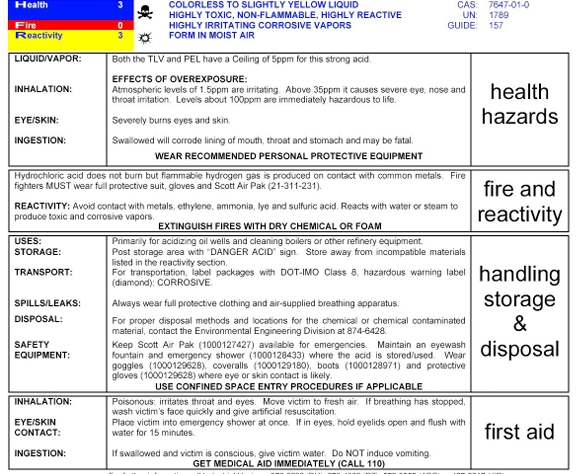
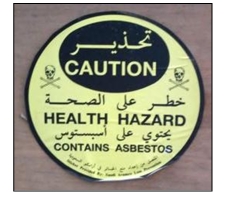
Hazardous materials are substances that can cause injury, illness, environmental damage, or fire hazards if not handled properly. Safety officers must understand classification systems, storage requirements, and emergency procedures related to hazardous materials.
Types of Hazardous Materials
Flammable Materials
These materials can easily catch fire when exposed to heat, sparks, or open flames.
Examples Include
- Gasoline
- Diesel
- Solvents
- Paint thinners
Corrosive Materials
Corrosive substances can damage skin, eyes, and metal surfaces.
Examples Include
- Sulfuric acid
- Hydrochloric acid
- Caustic soda
Toxic Materials
Toxic substances can enter the body through inhalation, ingestion, or skin contact and may cause serious health problems.
Examples Include
- Carbon monoxide
- Hydrogen sulfide
- Lead compounds
Reactive Materials
Reactive substances may explode or react dangerously when mixed with water, air, or chemicals.
Safety Measures for Hazardous Materials
- Always use proper PPE
- Store chemicals according to compatibility
- Label all containers correctly
- Maintain Safety Data Sheets (SDS)
- Ensure proper ventilation
- Follow emergency spill procedures
- Conduct regular inspections
Hazardous Materials Questions and Answers
Q1: What does PPE stand for?
Answer: Personal Protective Equipment.
Q2: Why are Safety Data Sheets important?
Answer: They provide information about chemical hazards, handling, storage, and emergency measures.
Q3: Which fire extinguisher is used for electrical fires?
Answer: CO2 fire extinguisher.
Q4: What should be done before handling hazardous chemicals?
Answer: Review the Safety Data Sheet and wear proper PPE.
Q5: What is the purpose of chemical labeling?
Answer: To identify hazards and ensure safe handling.
Emergency Response Pattern – Safety Officer Test Preparation
Emergency response planning is a critical responsibility for safety officers. Organizations require trained personnel to respond quickly during fires, gas leaks, chemical spills, and medical emergencies.
Steps in Emergency Response
1. Identify the Emergency
The first step is recognizing the type and severity of the incident.
2. Raise the Alarm
Notify workers and emergency teams immediately.
3. Evacuate the Area
Workers should move safely to assembly points.
4. Control the Hazard
Trained responders may isolate the hazard if safe.
5. Provide Medical Assistance
First aid and emergency treatment should be given immediately.
6. Report and Investigate
The incident must be documented and investigated.
Emergency Response Questions and Answers
Q1: What is the first action during an emergency?
Answer: Identify the emergency and raise the alarm.
Q2: Why are assembly points important?
Answer: They help account for workers during evacuation.
Q3: What is the role of a fire warden?
Answer: To guide workers safely during evacuation.
Q4: Why should emergency drills be conducted?
Answer: To improve emergency preparedness and response efficiency.
Q5: What should safety officers do after an incident?
Answer: Conduct investigation and prepare reports.
Confined Space Safety – Safety Officer Test Preparation
Confined spaces are enclosed areas with limited entry and exit where hazardous conditions may exist. Safety officers must ensure proper entry procedures are followed before workers enter confined spaces.
Examples of Confined Spaces
- Storage tanks
- Silos
- Pipelines
- Sewers
- Vessels
- Underground pits
Hazards in Confined Spaces
Oxygen Deficiency
Low oxygen levels can cause unconsciousness and death.
Toxic Gases
Hazardous gases such as hydrogen sulfide may accumulate.
Fire and Explosion
Flammable gases can ignite inside confined spaces.
Engulfment Hazards
Workers may become trapped by liquids or materials.
Confined Space Entry Requirements
- Entry permit system
- Gas testing
- Ventilation
- Rescue plan
- Trained standby attendant
- Communication system
- PPE requirements
Confined Space Questions and Answers
Q1: What is a confined space?
Answer: An enclosed area with limited entry and exit that may contain hazards.
Q2: Why is gas testing necessary?
Answer: To check oxygen levels and detect toxic or flammable gases.
Q3: What is the safe oxygen percentage for confined space entry?
Answer: Typically between 19.5% and 23.5%.
Q4: What is the purpose of an entry permit?
Answer: To ensure all safety precautions are completed before entry.
Q5: Who remains outside the confined space during entry?
Answer: The standby attendant.
Fire Prevention – Safety Officer Test Preparation
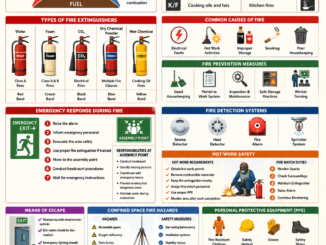
Fire prevention is one of the most important areas in workplace safety. Safety officers must understand fire hazards, extinguisher types, and emergency evacuation procedures.
Common Causes of Fire
- Electrical faults
- Hot work activities
- Gas leaks
- Smoking
- Chemical reactions
- Poor housekeeping
Fire Triangle
The fire triangle consists of:
- Heat
- Fuel
- Oxygen
Removing one element can stop a fire.
Types of Fire Extinguishers
Water Extinguisher
Used for ordinary combustible materials.
CO2 Extinguisher
Used for electrical fires.
Foam Extinguisher
Used for flammable liquid fires.
Dry Powder Extinguisher
Used for multiple fire classes.
Fire Prevention Questions and Answers
Q1: What are the three elements of the fire triangle?
Answer: Heat, fuel, and oxygen.
Q2: Which extinguisher is suitable for electrical fires?
Answer: CO2 extinguisher.
Q3: Why is housekeeping important?
Answer: It reduces fire hazards and improves safety.
Q4: What should workers do during a fire alarm?
Answer: Evacuate calmly to the assembly point.
Q5: Why are fire drills necessary?
Answer: To prepare workers for emergencies.
Personal Protective Equipment – Safety Officer Test Preparation
Personal Protective Equipment protects workers from workplace hazards. Safety officers ensure workers use the correct PPE for each task.
Common PPE
- Safety helmet
- Safety shoes
- Gloves
- Goggles
- Face shield
- Respirator
- Hearing protection
PPE Questions and Answers
Q1: Why is PPE important?
Answer: It protects workers from injuries and hazards.
Q2: When should respirators be used?
Answer: During exposure to dust, fumes, or toxic gases.
Q3: What protects workers from falling objects?
Answer: Safety helmets.
Q4: Why are safety shoes necessary?
Answer: To protect feet from impact and sharp objects.
Q5: What should be checked before using PPE?
Answer: Damage, cleanliness, and proper fitting.
Workplace Safety Responsibilities
Safety officers play a major role in maintaining workplace safety standards.
Main Responsibilities
- Conducting inspections
- Reporting hazards
- Investigating incidents
- Conducting toolbox talks
- Monitoring PPE compliance
- Organizing emergency drills
- Promoting safety awareness
Strong communication and hazard identification skills are essential for every safety officer.
Conclusion
Safety Officer Test Preparation requires understanding workplace hazards, emergency response procedures, hazardous materials handling, fire prevention systems, and confined space safety practices. Candidates preparing for safety officer examinations should study each topic carefully and practice questions regularly.
This Safety Officer Test Preparation guide provides structured learning material to help candidates improve technical knowledge and confidence. Continuous practice, hazard awareness, and understanding workplace safety procedures will help candidates perform better in safety officer tests and workplace safety responsibilities.
References and Last Reviewed
- OSHA 29 CFR 1926 Subpart F – Fire Protection and Prevention: osha.gov/1926SubpartF
- OSHA 29 CFR 1926.59 – Hazard Communication
Jurisdiction: United States – OSHA construction industry standards (29 CFR 1926). Verify local/site-specific requirements where this differs from your jurisdiction.
Last technically reviewed: September 2026
Reviewed by: EHS Guidelines Editorial Team
This article is educational. Apply current official rules, approved site procedures, manufacturer instructions and competent-person assessment for your actual worksite.



2 Trackbacks / Pingbacks