

Safety Officer Test Preparation
Introduction
Dewatering Safety Officer Test Preparation is important for safety professionals working in excavation, trenching, pipeline installation, foundation construction, and underground utility projects. Effective groundwater control helps maintain safe working conditions by preventing flooding, improving soil stability, and reducing the risk of trench collapse.
This guide is designed to help safety officer candidates prepare for workplace safety examinations and field responsibilities related to water removal operations, excavation drainage systems, and groundwater management. It covers common hazards, inspection requirements, equipment safety, confined space precautions, emergency response procedures, and practical control measures used in construction and industrial environments.
What is Dewatering?
Dewatering is the process of removing water from excavations, trenches, pits, foundations, and underground work areas.
Purpose of Dewatering
The main purpose of Dewatering is to:
- Control groundwater
- Prevent trench collapse
- Improve soil stability
- Protect workers from flooding
- Allow safe excavation activities
- Maintain safe equipment operation
Common Dewatering Methods
Several methods are used for Dewatering operations depending on soil conditions and excavation depth.
Sump Pump Dewatering
Water collects in a sump pit and is removed using pumps.
Well Point System
A series of small wells connected to a pump system lowers groundwater levels.
Deep Well System
Deep wells are drilled to remove groundwater from large excavations.
Vacuum Dewatering
Vacuum pressure helps remove water from soil.
Drainage Channels
Temporary channels direct water away from work areas.
Dewatering Hazards
Trench Collapse
Water weakens soil and increases the risk of excavation collapse.
Electrical Hazards
Electrical pumps and cables near water increase shock hazards.
Slips and Falls
Wet and muddy surfaces create slipping dangers.
Confined Space Hazards
Deep excavations with poor ventilation may contain hazardous atmospheres.
Equipment Failure
Pump failure may cause sudden flooding inside excavations.
Excavation and Soil Stability
Soil Stability
Water-saturated soil becomes unstable and may collapse suddenly.
Soil Erosion
Continuous water flow may erode trench walls and foundations.
Protective Systems
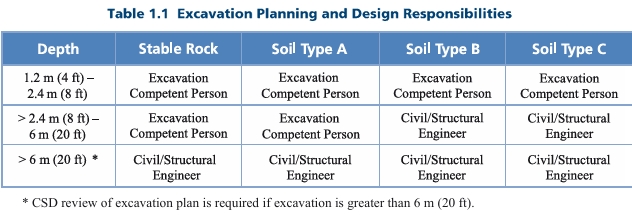
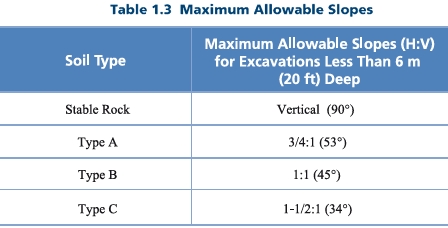
Safety officers must ensure:
- Shoring systems remain stable
- Benching is maintained
- Sloping angles remain safe
Dewatering Equipment Safety
Dewatering equipment must be inspected before use.
Common Dewatering Equipment
- Water pumps
- Hoses
- Generators
- Electrical cables
- Drainage pipes
- Fuel systems
Inspection Requirements
Check Pumps
Ensure pumps operate correctly without leaks.
Check Electrical Systems
Inspect cords, grounding, and connections.
Check Fuel Systems
Verify fuel storage and leak prevention.
Check Hoses
Inspect for cracks or damage.
Electrical Safety Near Water Control Operations
Water and electricity create serious workplace hazards.
Safety Precautions
- Use Ground Fault Circuit Interrupter (GFCI)
- Keep cables elevated
- Avoid damaged extension cords
- Inspect electrical systems daily
- Use waterproof connections
Confined Space Hazards in Water Control Activities
Some Dewatering activities may occur inside confined spaces such as:
- Deep excavations
- Manholes
- Utility pits
- Underground chambers
Common Confined Space Hazards
- Oxygen deficiency
- Toxic gas buildup
- Flooding risks
- Poor ventilation
Safety Precautions
- Atmospheric testing
- Ventilation systems
- Rescue equipment
- Continuous communication
- Standby rescue personnel
Emergency Response for Flooding and Water Control Incidents
Step 1 – Stop Work Immediately
Stop all operations during emergencies.
Step 2 – Secure the Area
Prevent unauthorized access to flooded or hazardous areas.
Step 3 – Disconnect Electrical Power
Shut down electrical systems if flooding occurs.
Step 4 – Notify Emergency Personnel
Inform emergency response teams immediately.
Step 5 – Rescue Procedures
Only trained rescue personnel should perform water rescue operations.
Step 6 – Incident Reporting
Document incidents according to organization procedures.
Barricades and Warning Signs
Barricade Requirements
- Install warning tape
- Use safety fencing
- Restrict unauthorized access
Warning Signs
Signs should warn workers about:
- Deep excavation
- Water hazards
- Electrical hazards
- Slippery surfaces
Personal Protective Equipment (PPE)
Required PPE
- Safety helmet
- Waterproof gloves
- Reflective vest
- Safety boots
- Eye protection
- Hearing protection when required
Responsibilities of Safety Officers
Main Responsibilities
- Conduct inspections
- Monitor groundwater hazards
- Verify electrical safety
- Ensure worker training
- Conduct toolbox talks
- Stop unsafe work
- Ensure emergency preparedness
Toolbox Talk Topics
Safety officers can conduct toolbox talks on:
- Dewatering hazards
- Excavation flooding risks
- Electrical safety near water
- Confined space safety
- Pump inspection procedures
- Emergency evacuation procedures
Dewatering Safety Questions and Answers
Question 1: What is the purpose of Dewatering?
Answer: Dewatering removes water from excavations and underground work areas to maintain safe conditions.
Question 2: Why is water dangerous in excavations?
Answer: Water weakens soil stability and increases trench collapse risks.
Question 3: What is a common hazard during Dewatering?
Answer: Electrical shock hazards from pumps and cables.
Question 4: Why should pumps be inspected regularly?
Answer: To prevent equipment failure and flooding incidents.
Question 5: What should workers do if flooding begins inside an excavation?
Answer: Stop work immediately and evacuate the area.
Question 6: Why is GFCI protection important during Dewatering?
Answer: It helps prevent electrical shock near water.
Question 7: What are common confined space hazards during Dewatering?
Answer: Oxygen deficiency and toxic gas accumulation.
Question 8: Why are barricades important around Dewatering areas?
Answer: Barricades prevent unauthorized access and accidental falls.
Question 9: What PPE is required during Dewatering work?
Answer: Helmet, safety boots, gloves, reflective vest, and eye protection.
Question 10: Who should respond during a flooding emergency?
Answer: Only trained emergency rescue personnel.
Scenario-Based Practice Questions
Scenario 1: Pump Failure During Excavation
Question
A water pump suddenly fails during excavation work, and water begins rising rapidly. What should the safety officer do?
Answer
Stop work immediately, evacuate workers, disconnect electrical systems, and activate emergency response procedures.
Scenario 2: Exposed Electrical Cables Near Water
Question
Workers notice exposed electrical cables near standing water. What is the hazard?
Answer
There is a serious risk of electrical shock or electrocution.
Scenario 3: Entry into a Utility Pit Without Gas Testing
Question
A worker enters a deep utility pit without atmospheric testing. What is the danger?
Answer
The worker may be exposed to oxygen deficiency or toxic gases.

Conclusion
Dewatering operations are essential for maintaining safe excavation and underground work environments. Safety officers must understand groundwater hazards, electrical risks, confined space dangers, emergency response procedures, and inspection requirements to prevent workplace incidents.
Proper planning, equipment inspections, worker training, and emergency preparedness are critical for safe Dewatering operations. Use this Dewatering Safety Officer Test Preparation guide regularly, review the practice questions repeatedly, and apply scenario-based learning to improve workplace safety knowledge and examination performance.
References and Last Reviewed
- OSHA 29 CFR 1926 Subpart P – Excavations: osha.gov/1926SubpartP
Jurisdiction: United States – OSHA construction industry standards (29 CFR 1926). Verify local/site-specific requirements where this differs from your jurisdiction.
Last technically reviewed: September 2026
Reviewed by: EHS Guidelines Editorial Team
This article is educational. Apply current official rules, approved site procedures, manufacturer instructions and competent-person assessment for your actual worksite.



1 Trackback / Pingback