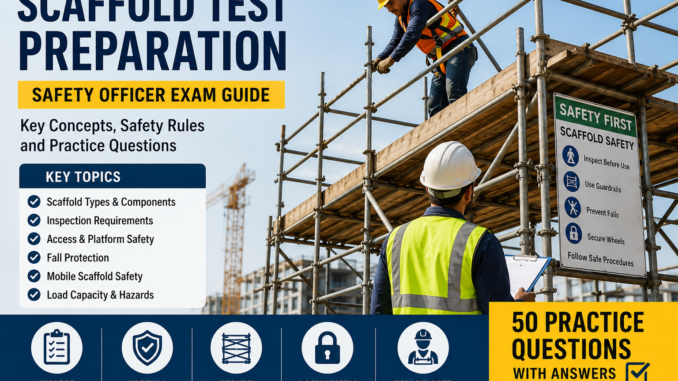
Safety Officer Test Preparation
Scaffold Test Preparation is one of the most important topics for anyone preparing for a Safety Officer test. Scaffolding is widely used in construction, maintenance, industrial projects, and facility operations. A Safety Officer must understand scaffold types, inspection requirements, access methods, fall protection, platform safety, and emergency procedures.
This Scaffold Test Preparation guide provides detailed explanations and practice questions to help candidates improve their knowledge and confidence. Review these questions regularly and practice workplace scenarios to strengthen your understanding.
What Is a Scaffold?
A scaffold is a temporary structure used to support workers, materials, and equipment while work is performed at height. Proper scaffold design, erection, inspection, and use are essential for preventing falls and injuries.
A competent person should inspect scaffolds before use and ensure that all components are secure and safe.
Why Is Scaffold Test Preparation Important?
Scaffold-related incidents remain a major cause of workplace injuries. Safety Officers are expected to:
- Identify scaffold hazards.
- Verify proper scaffold erection.
- Ensure safe worker access.
- Check guardrails and toe boards.
- Monitor load capacities.
- Enforce fall protection requirements.
- Conduct regular inspections.
Strong Scaffold Test Preparation helps candidates answer exam questions accurately and perform effectively in the workplace.
Types of Scaffolds in Scaffold Test Preparation
Supported Scaffold
A supported scaffold is built from the ground upward and supported by poles, frames, or uprights.
Mobile Scaffold
A mobile scaffold is mounted on wheels or casters and can be moved from one location to another.
Suspended Scaffold
A suspended scaffold hangs from an overhead structure using ropes or cables.
Tower Scaffold
A tower scaffold is a freestanding scaffold commonly used for maintenance and inspection activities.
Scaffold Components Every Safety Officer Must Know
Standards
Vertical members that transfer loads to the ground.
Ledgers
Horizontal members running parallel to the building.
Transoms
Horizontal members supporting scaffold platforms.
Braces
Diagonal members providing stability.
Platforms
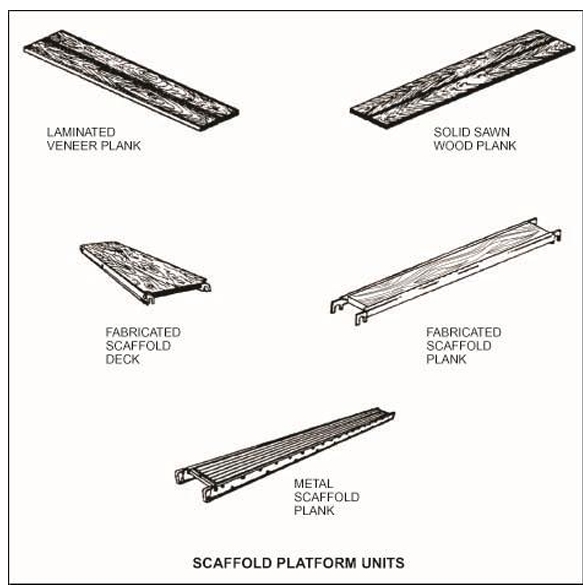
Working surfaces where workers stand.
Guardrails
Prevent workers from falling from elevated platforms.
Toe Boards
Prevent tools and materials from falling.
Scaffold Inspection Requirements
Proper inspection is a key topic in Scaffold Test Preparation.
A scaffold should be inspected:
- Before first use.
- After modifications.
- After severe weather.
- After impact or damage.
- At regular intervals determined by site procedures.
Inspection items include:
- Foundation stability.
- Platform condition.
- Guardrail installation.
- Access systems.
- Bracing integrity.
- Wheel locks on mobile scaffolds.
- Load capacity compliance.
Safe Access Requirements
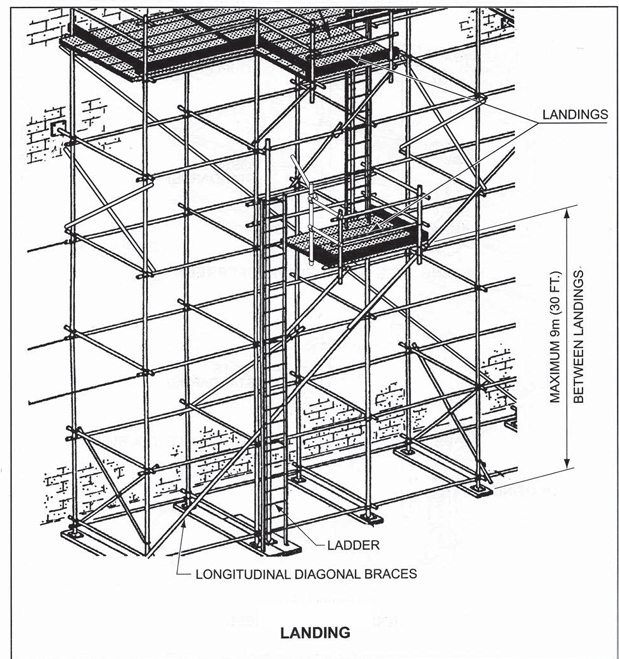
Workers must have safe access to scaffold platforms.
Acceptable access methods include:
- Stair towers.
- Ladders.
- Integrated access systems.
Workers should never climb scaffold braces unless specifically designed for climbing.
Platform Safety Rules
Platform safety is frequently included in Safety Officer examinations.
Key requirements:
- Platforms should be fully planked whenever possible.
- Gaps should be minimized.
- Platforms must be secured.
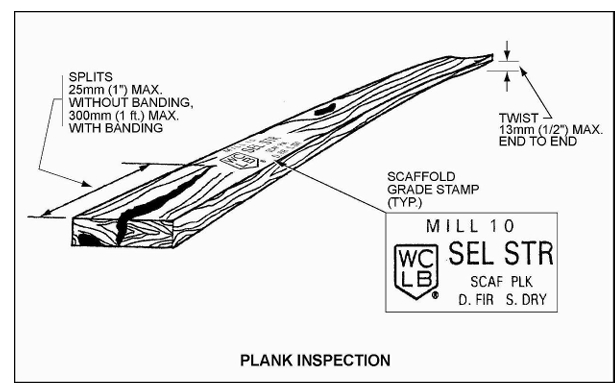
- Damaged planks must not be used.
- Platforms should remain free from unnecessary materials.
Mobile Scaffold Safety
Mobile scaffold safety is an important section of Scaffold Test Preparation.
Requirements include:
- Wheels must have functioning locks.
- Workers should not ride while the scaffold is moving.
- Platforms must remain stable.
- Outriggers should be installed when required.
- Casters should be secured to scaffold frames.
The working area should not extend beyond safe dimensions.
Fall Protection Requirements
Fall protection helps prevent serious injuries.
Common controls include:
- Guardrails.
- Personal fall arrest systems.
- Safety nets where required.
- Controlled access procedures.
Safety Officers should verify that fall protection systems are properly installed and maintained.
Scaffold Load Capacity
Every scaffold has a maximum intended load.
Loads include:
- Workers.
- Tools.
- Equipment.
- Materials.
Overloading a scaffold can result in structural failure and serious accidents.
Scaffold Test Preparation Questions and Answers
Basic Questions
1. What is the primary purpose of a scaffold?
Answer: To provide a safe elevated work platform.
2. Who should inspect a scaffold?
Answer: A competent person.
3. When should a scaffold be inspected?
Answer: Before use and after modifications or severe weather.
4. What is a guardrail used for?
Answer: To prevent falls.
5. What is a toe board used for?
Answer: To prevent falling objects.
6. Can damaged scaffold planks be used?
Answer: No.
7. Why are braces important?
Answer: They provide structural stability.
8. What is a mobile scaffold?
Answer: A scaffold mounted on wheels.
9. Should wheel locks be engaged during use?
Answer: Yes.
10. Can workers ride a moving mobile scaffold?
Answer: No.
Intermediate Questions
11. What should be checked during scaffold inspection?
Answer: Stability, guardrails, planks, access, and bracing.
12. Why is proper access important?
Answer: To reduce climbing-related injuries.
13. What may happen if a scaffold is overloaded?
Answer: Structural collapse.
14. Why are toe boards installed?
Answer: To stop tools from falling.
15. What should be done after severe weather?
Answer: Reinspect the scaffold.
16. What is the role of standards?
Answer: They transfer loads to the ground.
17. What is a platform?
Answer: The working surface of a scaffold.
18. What is a tower scaffold?
Answer: A freestanding scaffold structure.
19. Why are wheel locks required?
Answer: To prevent unintended movement.
20. What is a major scaffold hazard?
Answer: Falls from height.
Advanced Scenario Questions
21. A worker notices a missing guardrail. What should happen?
Answer: Work should stop until the guardrail is restored.
22. A scaffold has visible damage. What action is required?
Answer: Remove it from service and inspect it.
23. Materials are stacked excessively on a platform. What is the hazard?
Answer: Overloading.
24. A ladder access system is damaged. What should be done?
Answer: Replace or repair it before use.
25. Wheels are unlocked during work. Is this acceptable?
Answer: No.
26. Why should platforms be secured?
Answer: To prevent movement and displacement.
27. What should a Safety Officer verify before work begins?
Answer: Inspection status and safe conditions.
28. Why is scaffold training important?
Answer: It helps workers recognize hazards.
29. What should be done if a plank is cracked?
Answer: Remove it immediately.
30. What is the first priority during scaffold work?
Answer: Worker safety.
Additional Exam Practice Questions
31. What is the purpose of scaffold bracing?
Answer: Stability.
32. What should remain clear on scaffold platforms?
Answer: Walkways.
33. What causes many scaffold accidents?
Answer: Poor inspection and unsafe practices.
34. Why should tools be secured?
Answer: To prevent dropped-object incidents.
35. What is a competent person responsible for?
Answer: Inspection and hazard identification.
36. What should workers wear when required?
Answer: Appropriate PPE.
37. What should be checked before moving a mobile scaffold?
Answer: Workers, tools, and obstacles.
38. Why is housekeeping important?
Answer: To reduce slips and trips.
39. What is a common scaffold inspection finding?
Answer: Missing components.
40. What should happen after scaffold modification?
Answer: Reinspection.
41. What should be verified before loading materials?
Answer: Load capacity.
42. Why are guardrails effective?
Answer: They reduce fall risk.
43. What is a scaffold tag used for?
Answer: To communicate inspection status.
44. What should workers do if they identify a hazard?
Answer: Report it immediately.
45. Can scaffold components be modified without authorization?
Answer: No.
46. What is the purpose of training?
Answer: Safe work performance.
47. Why should access points remain unobstructed?
Answer: Safe entry and exit.
48. What is one key responsibility of a Safety Officer?
Answer: Hazard prevention.
49. Why should inspections be documented?
Answer: To verify compliance.
50. What is the best way to pass a scaffold safety exam?
Answer: Consistent study and scenario-based practice.
Scaffold Test Preparation Study Tips
Review Daily
Spend 15–20 minutes reviewing scaffold concepts.
Practice Questions Repeatedly
Repeat question-and-answer sessions until responses become automatic.
Use Real Scenarios
Visualize actual workplace situations involving inspections, access systems, and fall protection.
Learn Key Definitions
Understand standards, ledgers, transoms, guardrails, toe boards, and load capacity.
Focus on Hazard Recognition
Many Safety Officer tests evaluate the ability to identify unsafe conditions.
Conclusion
Scaffold Test Preparation is a critical subject for Safety Officer examinations. Understanding scaffold types, inspection procedures, access requirements, platform safety, fall protection, and load capacity will improve both exam performance and workplace safety. Regular practice with these questions and scenarios will build confidence and help candidates prepare effectively for Safety Officer assessments.

Be the first to comment