
Safety Officer Test Preparation
Introduction
Portable Electric Power Tools are an important topic in Safety Officer Test Preparation because these tools are widely used in industrial sites, construction areas, workshops, maintenance activities, and confined spaces. Safety officers must understand electrical hazards, extension cord inspection methods, grounding systems, emergency response procedures, and safe operating practices before allowing workers to use portable electrical equipment.
This guide is designed as a structured preparation resource for candidates preparing for company and organization safety officer examinations. It explains important safety concepts, inspection requirements, hazard identification methods, emergency response patterns, and confined space precautions. Each section also includes questions and answers to improve understanding and build confidence through repeated practice.
Importance of Portable Electric Power Tools Safety
Portable Electric Power Tools can create serious workplace hazards if workers do not follow safety procedures.
Common Risks
- Electric shock
- Burns
- Fire hazards
- Trips and falls
- Hand injuries
- Eye injuries
- Explosion risks in hazardous areas
A safety officer must ensure all workers follow organization safety standards before operating electrical tools.
Common Portable Electric Power Tools
Drills
Used for making holes in metal, wood, and concrete surfaces.
Grinders
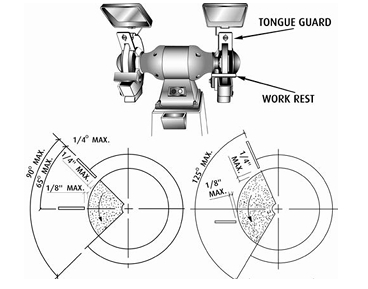
Used for cutting, polishing, and grinding operations.
Circular Saws
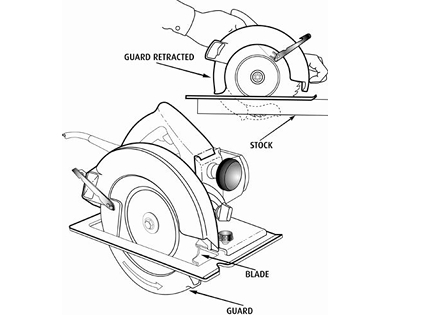
Used for cutting wood and metal materials.
Impact Wrenches
Used for tightening and loosening bolts.
Heat Guns
Used for heating, drying, or removing coatings.
Sanders
Used for smoothing surfaces.
Electric Hammers
Used for demolition and concrete breaking work.
Portable Electric Power Tools Inspection Requirements

Safety officers must inspect tools before use. Inspection helps identify damaged equipment and prevents accidents.
Visual Inspection Checklist
Check the Power Cord
- No cuts or exposed wires
- No tape repairs
- Plug must be undamaged
Check the Tool Body
- No cracks
- No loose parts
- Handles should be secure
Check the Switch
- ON/OFF switch must operate correctly
Check Grounding
- Ground pin must be present on three-prong plugs
Check Extension Cords
- Proper insulation
- No overheating signs
- Correct load capacity
Safe Use of Extension Cords
Extension cords are commonly misused in workplaces. Improper use can lead to fires and electric shock incidents.
Important Safety Rules
- Use industrial-grade extension cords only
- Keep cords away from water
- Do not overload extension cords
- Do not run cords through doorways
- Avoid damaged or repaired cords
- Use Ground Fault Circuit Interrupter (GFCI) protection
- Keep cords elevated in wet areas
Color Coding and Tagging
Many organizations use color coding systems for inspection tracking.
Verification Requirements
- Inspection date
- Expiry date
- Inspector identification
Ground Fault Circuit Interrupter (GFCI)
A GFCI protects workers from electric shock by disconnecting power during leakage current.
GFCI Requirements
- Required in wet locations
- Required for outdoor operations
- Used during temporary power work
- Essential in confined spaces
Benefits of GFCI
- Reduces shock hazards
- Prevents fatal electrical incidents
- Improves workplace safety compliance
Electrical Hazards in Confined Spaces
Confined spaces increase electrical risks because of:
- Limited movement
- Wet surfaces
- Poor ventilation
- Conductive environments
Examples of Confined Spaces
- Tanks
- Vessels
- Pipelines
- Manholes
- Storage silos
Safety Precautions
- Use low-voltage tools where possible
- Inspect cords before entry
- Maintain proper lighting
- Keep emergency rescue equipment ready
- Ensure standby personnel are present
Emergency Response Pattern for Electrical Accidents
Safety officers must understand emergency response procedures for electrical incidents.
Stop the Power Source
Disconnect electrical power immediately.
Do Not Touch the Victim Directly
Use insulated materials if the victim is still in contact with electricity.
Call Emergency Response Team
Inform site emergency personnel immediately.
Provide First Aid
Provide CPR only if trained and authorized.
Secure the Area
Prevent unauthorized entry into the incident location.
Report the Incident
Document the incident according to organization procedures.
Personal Protective Equipment (PPE)
Workers using Portable Electric Power Tools must wear proper PPE.
Required PPE
- Safety helmet
- Safety glasses
- Face shield
- Insulated gloves
- Hearing protection
- Safety shoes
Additional PPE for Grinding
- Leather gloves
- Dust mask
- Apron
Responsibilities of a Safety Officer
A safety officer must:
- Conduct inspections
- Ensure workers are trained
- Verify tool certification
- Stop unsafe work
- Conduct toolbox talks
- Investigate incidents
- Ensure emergency readiness
Toolbox Talk Topics
Safety officers can conduct toolbox talks on:
- Electrical shock prevention
- Safe extension cord use
- GFCI awareness
- Proper grinding techniques
- Lockout/Tagout procedures
- Confined space electrical hazards
Lockout and Tagout (LOTO)
Lockout and Tagout procedures prevent accidental energization during maintenance.
Basic LOTO Steps
- Identify energy source
- Shut down equipment
- Isolate energy
- Apply lock and tag
- Verify isolation
- Perform work safely
Fire Hazards from Electrical Tools
Portable Electric Power Tools can start fires due to:
- Overheating
- Damaged insulation
- Overloaded circuits
- Sparks near flammable materials
Fire Prevention Tips
- Inspect equipment regularly
- Remove combustible materials
- Use proper cable ratings
- Maintain housekeeping standards
Portable Electric Power Tools Safety Questions and Answers
Question 1
What is the main hazard associated with Portable Electric Power Tools?
Answer: Electric shock is one of the main hazards.
Question 2
Why is a GFCI important?
Answer: A GFCI disconnects power during electrical leakage and helps prevent electric shock.
Question 3
Can damaged extension cords be used temporarily?
Answer: No, damaged extension cords must be removed from service immediately.
Question 4
What should workers inspect before using electric tools?
Answer: Workers should inspect cords, plugs, switches, grounding, and overall tool condition.
Question 5
Why are confined spaces dangerous for electrical work?
Answer: Confined spaces may contain wet surfaces, poor ventilation, and limited escape routes which increase electrical risks.
Question 6
What PPE is required while using grinders?
Answer: Safety glasses, face shields, gloves, hearing protection, and safety shoes.
Question 7
What should be done first during an electrical accident?
Answer: Disconnect the electrical power source immediately.
Question 8
Why should extension cords not be overloaded?
Answer: Overloading may cause overheating and fire hazards.
Question 9
What is the purpose of Lockout/Tagout?
Answer: LOTO prevents accidental energization during maintenance work.
Question 10
Who is responsible for workplace safety inspections?
Answer: The safety officer and authorized supervisors are responsible.
Scenario-Based Practice Questions
Scenario 1
A worker is using a grinder with a damaged cord in a wet area.
Answer: Stop the work immediately, isolate the equipment, replace the damaged cord, and ensure GFCI protection is used.
Scenario 2
An extension cord is passing through a doorway where vehicles move frequently.
Answer: The cord may become damaged, creating electric shock and fire hazards.
Scenario 3
A worker enters a tank with a standard electric drill without inspection.
Answer: The tool must be inspected, approved for confined space use, and connected with proper protection systems.
Best Practices for Safety Officer Test Preparation
Study Daily
Review safety rules every day.
Practice Questions
Repeat practice questions regularly.
Learn Emergency Procedures
Understand emergency response systems and reporting procedures.
Understand Hazard Recognition
Focus on identifying unsafe conditions.
Attend Safety Training
Participate in workplace safety programs whenever possible.
Conclusion
Portable Electric Power Tools safety knowledge is essential for every safety officer candidate. Understanding inspection procedures, extension cord safety, emergency response patterns, confined space hazards, PPE requirements, and electrical hazard controls helps improve workplace safety and examination performance.
Use this preparation guide regularly, review the questions repeatedly, and practice workplace scenarios to build confidence for Safety Officer examinations and practical field responsibilities.
Be the first to comment