Safety Officer Test Preparation
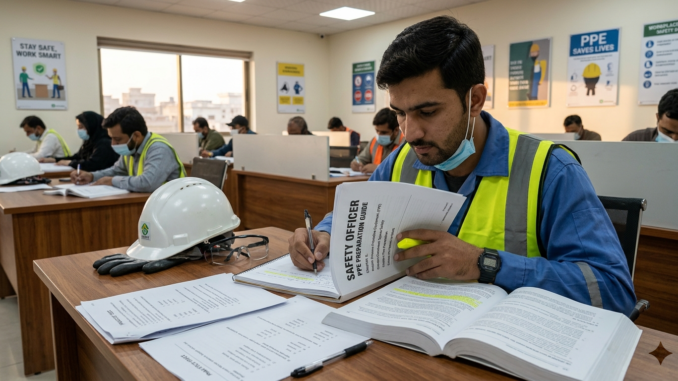
Safety Officer PPE Preparation Guide is essential for candidates preparing for workplace and industrial safety examinations. This guide is designed to help candidates understand personal protective equipment requirements, emergency response procedures, confined space safety, and hazard management systems commonly included in safety officer tests.
This Safety Officer PPE Preparation Guide focuses on practical understanding instead of memorization. Candidates should review the topics repeatedly and practice scenario-based questions to improve confidence before the examination.
Personal Protective Equipment (PPE) in Safety Officer PPE Preparation Guide
Organizations require workers to use proper PPE to reduce injuries and improve workplace safety performance.
Common Types of PPE
- Safety helmets
- Safety shoes
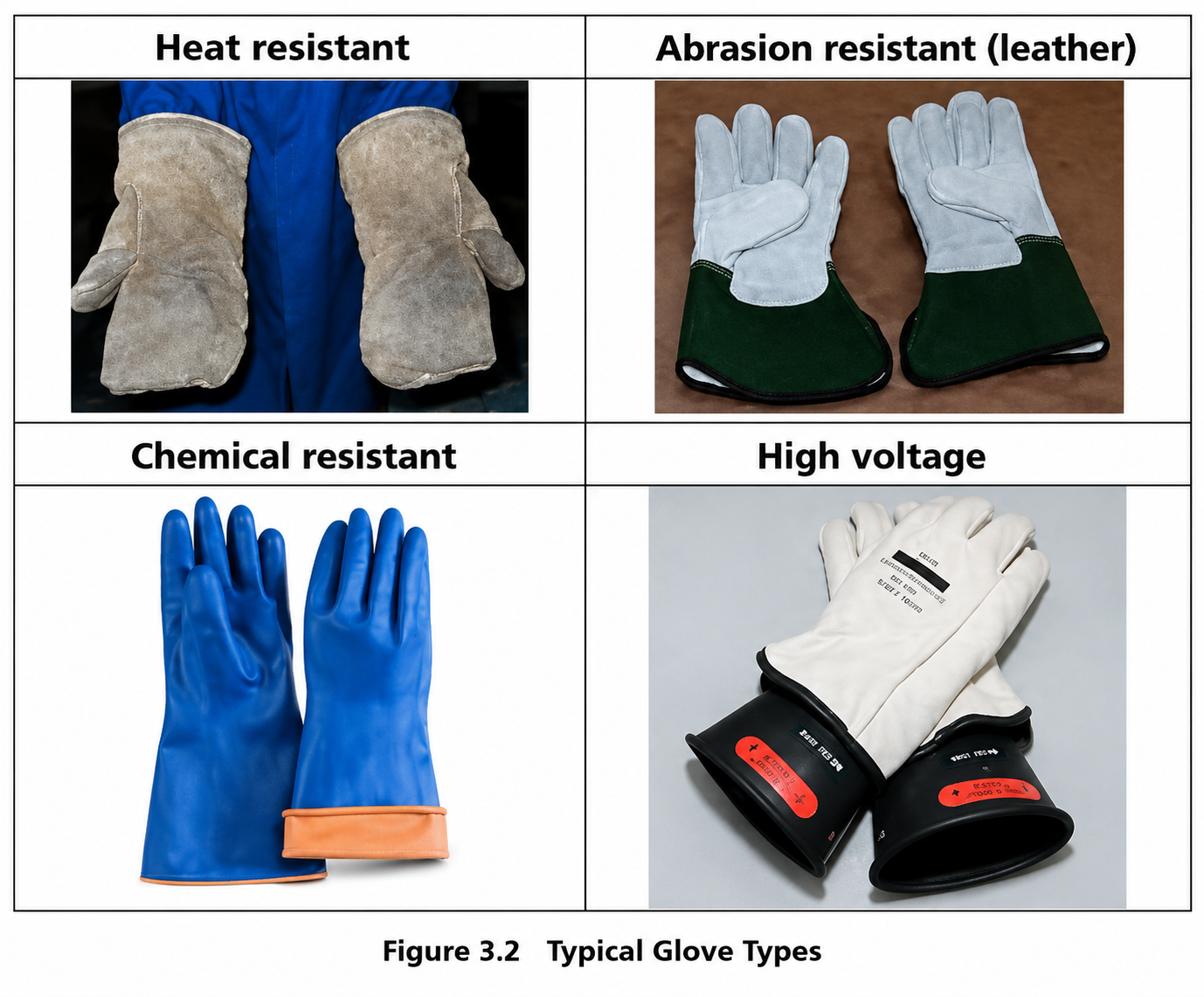
- Protective gloves
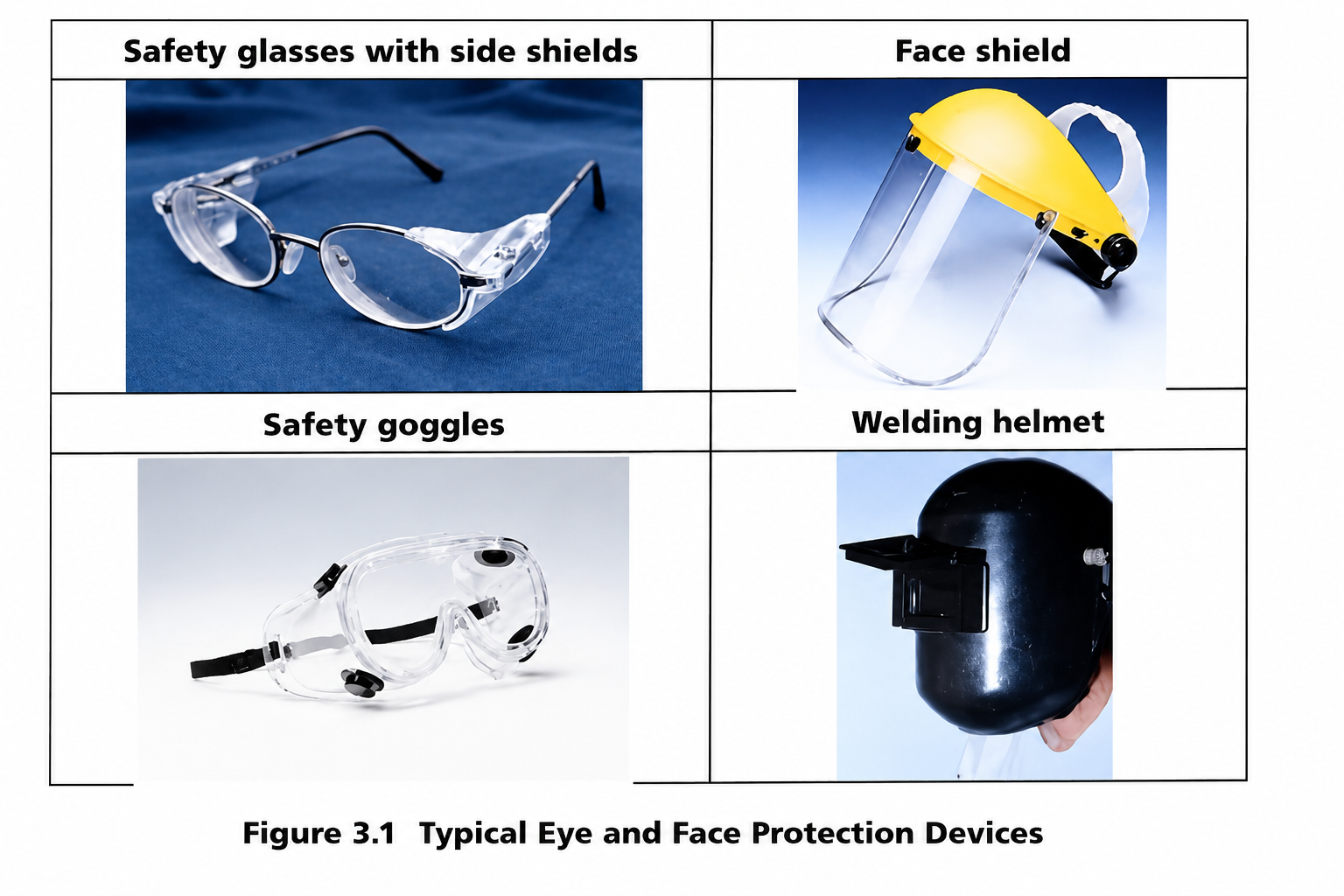
- Safety goggles
- Face shields
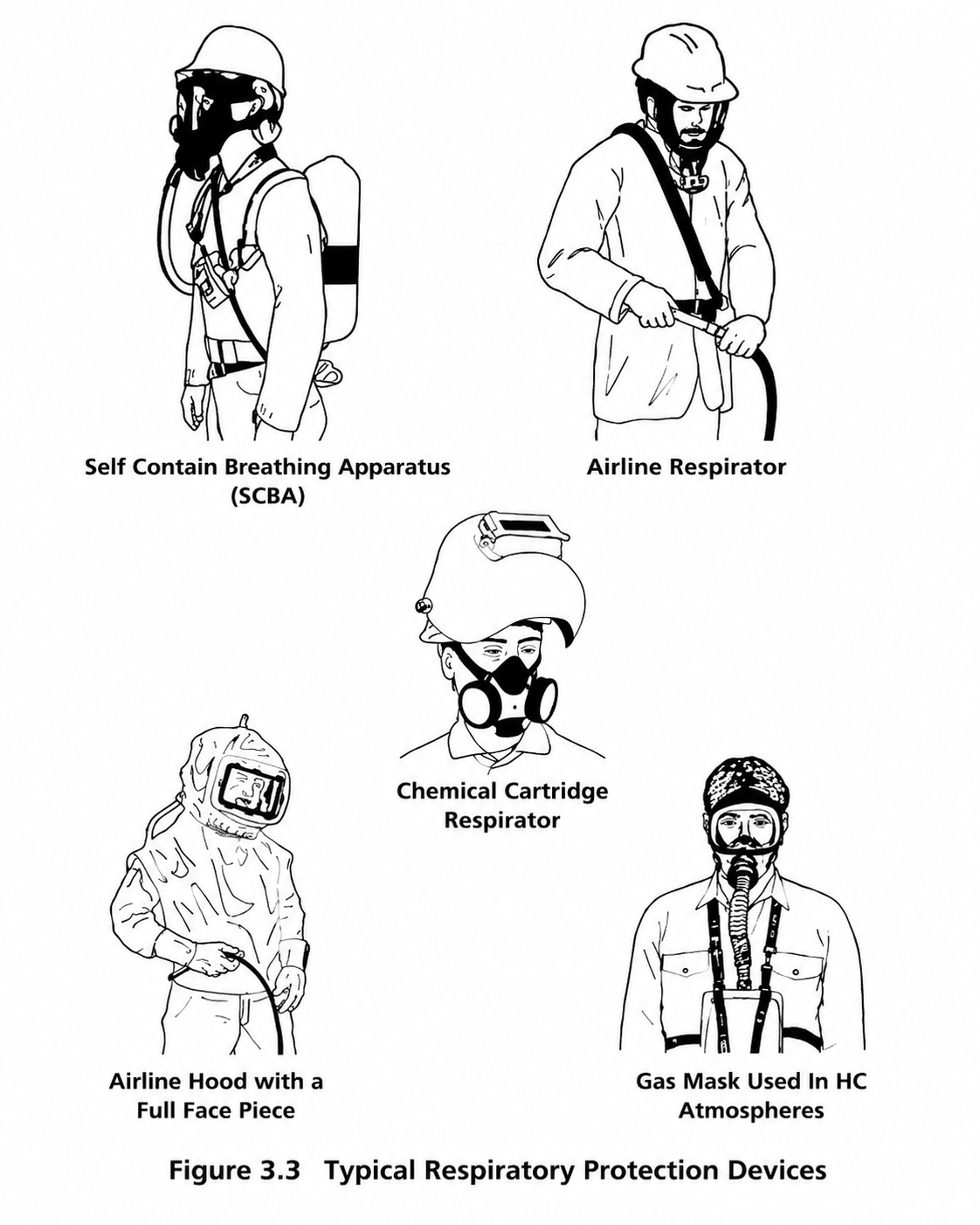
- Respirators
- Reflective safety vests
- Hearing protection equipment
Safety Officers must ensure that PPE is available, inspected regularly, and used correctly by workers.
Importance of PPE
PPE helps organizations:
- Reduce workplace injuries
- Protect workers from hazardous exposure
- Improve emergency response readiness
- Maintain safety compliance
- Increase worker confidence
Safety personnel should also train workers on proper PPE usage and maintenance procedures.
PPE Inspection and Maintenance
All PPE should be inspected before use to confirm that it is safe and functional.
PPE Inspection Checklist
- Check helmets for cracks
- Inspect gloves for damage
- Ensure respirators fit properly
- Verify eye protection visibility
- Replace damaged PPE immediately
Damaged or expired PPE should never be used in industrial environments.
Questions and Answers
Q1: What is PPE?
A: PPE stands for Personal Protective Equipment used to protect workers from hazards.
Q2: Why is PPE important?
A: PPE reduces workplace injuries and protects workers from hazardous exposure.
Q3: What should workers do before using PPE?
A: Workers should inspect PPE for damage and proper condition.
Emergency Response System in Safety Officer PPE Preparation Guide
Emergency response systems are essential in industrial operations because they help organizations manage emergencies effectively.
Safety personnel should understand emergency procedures for:
- Fires
- Gas leaks
- Medical emergencies
- Chemical spills
- Confined space incidents
Main Components of Emergency Response
- Alarm systems
- Emergency communication procedures
- Evacuation plans
- Emergency rescue teams
- Assembly points
- Medical support systems
Questions and Answers
Q1: What is the first action during an emergency?
A: Raise the alarm and notify emergency personnel.
Q2: Why are emergency drills important?
A: Drills prepare workers for real emergency situations.
Confined Space Safety in Safety Officer PPE Preparation Guide
Confined spaces are enclosed work areas with limited access and possible hazardous atmospheres.
Examples of Confined Spaces
- Tanks
- Pipelines
- Vessels
- Underground pits
- Storage silos
Common Hazards
- Oxygen deficiency
- Toxic gas exposure
- Poor ventilation
- Fire and explosion hazards
Safety Requirements
- Entry permit approval
- Gas testing before entry
- Rescue equipment availability
- Continuous monitoring
- Trained standby personnel
Questions and Answers
Q1: Why is gas testing required before confined space entry?
A: To confirm safe oxygen levels and identify hazardous gases.
Q2: What is a confined space?
A: An enclosed area with limited entry and hazardous conditions.
Hazard Identification and Risk Assessment in Safety Officer PPE Preparation Guide
Hazard identification and risk assessment are essential for preventing workplace accidents.
Types of Hazards
- Physical hazards
- Chemical hazards
- Electrical hazards
- Mechanical hazards
- Biological hazards
Steps in Risk Assessment
- Identify hazards
- Evaluate risks
- Apply control measures
- Monitor effectiveness
- Review procedures regularly
Questions and Answers
Q1: What is hazard identification?
A: The process of identifying workplace dangers.
Q2: Why is risk assessment important?
A: It helps prevent accidents and injuries.
Permit-to-Work System in Safety Officer PPE Preparation Guide
Common Types of Permits
- Hot work permit
- Cold work permit
- Electrical work permit
- Excavation permit
- Confined space entry permit
Benefits of Permit Systems
- Hazard control
- Better communication
- Improved planning
- Reduced workplace incidents
Questions and Answers
Q1: What is a hot work permit?
A: A permit used for welding and spark-producing activities.
Q2: Why are permit systems important?
A: They help control hazardous work safely.
Fire Safety and Prevention in Safety Officer PPE Preparation Guide
Fire safety is a major responsibility of safety personnel in industrial environments.
The Fire Triangle
Fire requires:
- Heat
- Fuel
- Oxygen
Removing one element stops a fire.
Fire Prevention Measures
- Proper storage of flammable materials
- Inspection of electrical systems
- Fire extinguisher maintenance
- Conducting fire drills
- Keeping emergency exits clear
Questions and Answers
Q1: What are the elements of fire?
A: Heat, fuel, and oxygen.
Q2: Why are fire drills conducted?
A: To prepare workers for emergency evacuation.
Incident Reporting and Investigation in Safety Officer PPE Preparation Guide
Incident reporting helps organizations identify hazards and prevent future accidents.
Incident Investigation Steps
- Secure the area
- Collect evidence
- Interview witnesses
- Identify root causes
- Recommend corrective actions
Questions and Answers
Q1: Why should incidents be reported immediately?
A: Immediate reporting helps reduce risks and improve safety response.
Q2: What is the purpose of incident investigation?
A: To prevent similar incidents in the future.
Safety Officer PPE Preparation Guide Tips
Candidates should focus on practical understanding and regular revision.
Preparation Tips
- Study PPE requirements daily
- Practice multiple-choice questions
- Understand emergency procedures
- Review confined space hazards
- Learn workplace safety systems
- Participate in scenario-based learning
Repeated practice improves confidence and examination performance.
Conclusion
This Safety Officer PPE Preparation Guide provides detailed information about personal protective equipment, emergency response systems, confined space safety, permit-to-work procedures, hazard identification, fire prevention, and incident investigation.
By reviewing these topics repeatedly and practicing workplace scenarios regularly, candidates can improve confidence and strengthen their understanding of workplace safety procedures. Practical knowledge and continuous preparation are essential for success in safety officer examinations and industrial safety careers.
Be the first to comment