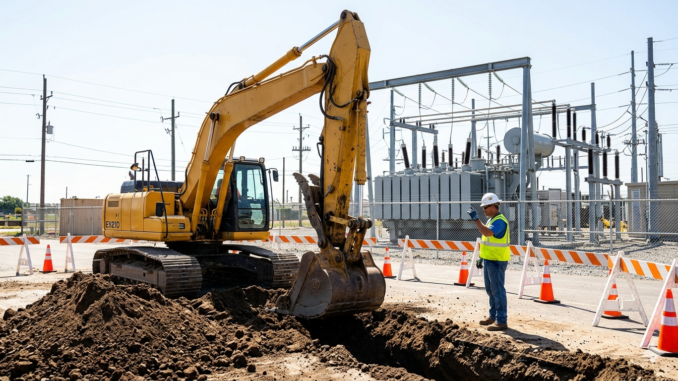
Excavation HIRA: Complete Job Safe Procedure Guide
Welcome to our comprehensive Excavation HIRA guide. First, managing construction site safety requires strict protocols. Therefore, we developed this complete job safe procedure. Consequently, your team can identify hazards easily and act quickly. Furthermore, we outline active prevention controls to protect everyone on site. You can also review OSHA excavation standards for additional external compliance details. Let us dive into the structured analysis below.
1. Excavation HIRA: Obtaining the LOA
| STEP No. | LIST ALL STEPS IN PERFORMING THIS TASK | HAZARDS (WHAT COULD CAUSE INJURY OR DAMAGE?) | DANGER / RISK (INJURIES, DAMAGE, ILLNESS) | PREVENTATIVE CONTROLS REQUIRED TO MINIMIZE HAZARD |
|---|---|---|---|---|
| 1. | Obtain LOA | |||
| 1.1 Applying and filling up LOA as per the required activity. | • Untrained personnel create risks.
• Also, workers write wrong details in the PTW. • Furthermore, unrelated activities cause confusion. |
• Consequently, accidents cause serious injury or death.
• Moreover, incidents damage property significantly. • Therefore, companies face governmental violations. |
• First, project managers must identify the LOA receiver.
• Next, you must qualify and train the issuer. • Furthermore, teams must implement the 5 Star Safety standard strictly. • Therefore, supervisors ensure the LOA covers all precautions. |
|
| 1.2 Attaching required documents (risk assessment, method statement). | • Incompetent personnel handle paperwork poorly.
• In addition, teams leave hazards unidentified. |
• As a result, poor supervision leads to accidents.
• Similarly, productivity drops drastically. |
• First, you must train all involved personnel fully.
• Next, supervisors must identify safe work practices. • Consequently, the team evaluates and attaches all supporting documents. |
|
| 1.3 Verifying site conditions during a combined visit. | • Open areas cause severe falls.
• Furthermore, protruding objects create hazards. • Finally, poor lighting limits visibility. |
• Unidentified hazards cause immediate accidents.
• Moreover, delays disrupt the workflow. |
• First, teams must pre-check the workplace entirely.
• Next, the issuer must clear any obstructions. • Consequently, everyone familiarizes themselves with the project ingress. |
|
| 1.4 Issuing the approved LOA from Issuer to Receiver. | • Untrained personnel ignore safety rules.
• In addition, incomplete LOA information misleads workers. |
• Lack of supervision leads to fatal accidents.
• Therefore, equipment suffers damage. |
• First, reviewers must complete and sign all LOA forms.
• Next, workers must keep a 6.5m distance from overhead lines. • Furthermore, never touch underground energized lines. • Thus, you must get official approval before working near cables. |
|
| 1.5 Verifying the approved LOA by the Consultant. | • Inadequate coordination breaks area control.
• Similarly, unauthorized work breaches boundaries. |
• Consequently, miscommunication triggers accidents.
• Also, unapproved tasks halt production. |
• First, supervisors must display the LOA at the worksite.
• Next, the receiver must oversee the activity constantly. • Finally, managers must conduct a safety toolbox meeting before starting. |
2. Excavation HIRA: Mobilizing Heavy Equipment
| STEP No. | LIST ALL STEPS IN PERFORMING THIS TASK | HAZARDS (WHAT COULD CAUSE INJURY OR DAMAGE?) | DANGER / RISK (INJURIES, DAMAGE, ILLNESS) | PREVENTATIVE CONTROLS REQUIRED TO MINIMIZE HAZARD |
|---|---|---|---|---|
| 2. | Mobilize heavy equipment (excavator and dump trucks) | |||
| 2.1 Checking and inspecting the equipment. | • Untrained personnel operate machinery incorrectly. | • Consequently, poor knowledge causes property damage.
• Furthermore, operators suffer physical injuries. |
• First, managers must assign competent personnel exclusively.
• Next, operators must verify valid third-party certificates. |
|
| 2.2 Transporting equipment to the work location. | • Unsecured equipment shifts during transport.
• In addition, adverse weather conditions reduce traction. • Moreover, vehicle traffic creates congestion. |
• Toppled equipment damages public property.
• Furthermore, stiff access routes break machines. |
• First, drivers must secure equipment onto trailer trucks.
• Next, supervisors must plan the route to avoid traffic. • Consequently, you must suspend work during inclement weather. |
|
| 2.3 Unloading and positioning equipment at the work area. | • Simultaneous activities congest the work zone.
• Similarly, incompetent workers cause collisions. |
• As a result, equipment rollovers crush workers.
• Also, sudden breakdowns delay the project. |
• First, coordinate with other working teams properly.
• Next, install hard barricades and sufficient signage. • Furthermore, assign trained flagmen to control traffic flow. • Thus, drivers maneuver safely while wearing hi-visibility vests. |
3. Excavation HIRA: Verifying Underground Utilities
| STEP No. | LIST ALL STEPS IN PERFORMING THIS TASK | HAZARDS (WHAT COULD CAUSE INJURY OR DAMAGE?) | DANGER / RISK (INJURIES, DAMAGE, ILLNESS) | PREVENTATIVE CONTROLS REQUIRED TO MINIMIZE HAZARD |
|---|---|---|---|---|
| 3. | Check and verify underground utilities | |||
| 3.1 Providing site plan drawings prior to digging. | • Miscommunication confuses the involved teams.
• Furthermore, supervisors use wrong site plans. |
• Consequently, poor knowledge triggers massive property damage. | • First, managers must coordinate with the local government.
• Next, the team must verify the correct site plan. |
|
| 3.2 Identifying gas, electric, and water pipes. | • Heavy personnel traffic limits visibility.
• In addition, operators miss existing underground utilities. |
• Hitting hidden utilities causes dangerous explosions.
• Moreover, the resulting damage stops all work. |
• First, install barricades around the targeted work location.
• Next, operators must use ground-penetrating radar. • Therefore, teams determine utility presence accurately. |
|
| 3.3 Marking the utility services visually. | • Workers mark the wrong area entirely.
• Furthermore, traffic congestion distracts the mapping team. |
• Consequently, excavators strike unmarked pipes.
• Thus, sudden breakdowns cost significant money. |
• First, team members must communicate clearly.
• Next, assign a trained flagman to watch the perimeter. • Finally, surveyors must mark the correct boundaries. |
4. Excavation HIRA: Executing the Digging Process
| STEP No. | LIST ALL STEPS IN PERFORMING THIS TASK | HAZARDS (WHAT COULD CAUSE INJURY OR DAMAGE?) | DANGER / RISK (INJURIES, DAMAGE, ILLNESS) | PREVENTATIVE CONTROLS REQUIRED TO MINIMIZE HAZARD |
|---|---|---|---|---|
| 4. | Perform excavation near high voltage cables | |||
| 4.1 Excavating using heavy equipment near energized lines. | • Moving excavators strike underground equipment.
• Furthermore, energized lines cause flashovers. • Finally, electrical shocks threaten operators. |
• Consequently, electrocution causes fatalities.
• Moreover, equipment failures spark massive fires. |
• First, competent engineers must confirm a power shutdown.
• Next, only certified operators handle mechanical excavation works. • Furthermore, a dedicated flagman must guide the excavator. • Thus, you protect cable insulation by digging slowly. |
|
| 4.2 Excavating the trench and removing topsoil. | • Defective equipment breaks during operation.
• In addition, poor illumination hides nearby structures. |
• Consequently, eye strain leads to operational errors.
• Moreover, hitting structures damages the property. |
• First, supervisors must provide sufficient blinker lights.
• Next, operators must remove topsoil gradually. • Therefore, workers avoid hitting unidentified utilities entirely. |
|
| 4.3 Excavating up to the designed depth. | • Supervisors classify soil types improperly.
• Furthermore, abrupt digging releases harmful gases. • Additionally, heavy equipment traffic collapses walls. |
• Cave-ins cause severe physical injury.
• Consequently, trapped workers face fatal asphyxiation. |
• First, competent personnel must classify the soil.
• Next, crews must install shoring to prevent collapse. • Furthermore, treat deep trenches as a confined space. • Thus, safety officers must conduct gas testing immediately. |
|
| 4.4 Keeping removed soil away from the excavation. | • Workers place materials near the excavation edge.
• Furthermore, loose soil rolls back into the hole. |
• Consequently, falling debris crushes workers below.
• Moreover, heavy soil collapses the trench walls. |
• First, you must store excavated soil one meter away.
• Next, teams must remove accumulated soil promptly. • Finally, never store tools near the trench edges. |
5. Excavation HIRA: Loading the Dump Trucks
| STEP No. | LIST ALL STEPS IN PERFORMING THIS TASK | HAZARDS (WHAT COULD CAUSE INJURY OR DAMAGE?) | DANGER / RISK (INJURIES, DAMAGE, ILLNESS) | PREVENTATIVE CONTROLS REQUIRED TO MINIMIZE HAZARD |
|---|---|---|---|---|
| 5. | Load excavated soils into the dump truck | |||
| 5.1 Positioning the dump truck safely. | • Unassisted maneuvering blinds the truck driver.
• In addition, unauthorized personnel wander nearby. |
• Consequently, trucks topple into the trench.
• Moreover, backing vehicles crush unaware pedestrians. |
• First, assign trained flagmen to control traffic movement.
• Next, drivers must maintain a safe distance from edges. • Therefore, you prevent disturbances on the excavation walls. |
|
| 5.2 Loading excavated soil into the truck. | • Operators overload the equipment heavily.
• Furthermore, dry loose soils create thick dust. |
• Consequently, overloaded trucks tip off the road.
• Similarly, poor visibility causes site collisions. |
• First, all personnel must wear appropriate dust masks.
• Next, loader operators must distribute soils evenly. • Finally, cover filled dump trucks with protective screens. |
6. Excavation HIRA: Lifting and Supporting Cables
| STEP No. | LIST ALL STEPS IN PERFORMING THIS TASK | HAZARDS (WHAT COULD CAUSE INJURY OR DAMAGE?) | DANGER / RISK (INJURIES, DAMAGE, ILLNESS) | PREVENTATIVE CONTROLS REQUIRED TO MINIMIZE HAZARD |
|---|---|---|---|---|
| 6. | Lift cables using chain blocks to a tray | |||
| 6.1 Hanging or supporting the cable. | • Workers expose fingers between moving cables.
• Furthermore, crews mistakenly work under live conditions. |
• Consequently, pinch points crush fingers instantly.
• Moreover, live cables cause permanent physical disability. |
• First, you must execute work only during shutdown conditions.
• Next, workers must wear heavy leather gloves. • Furthermore, never put fingers between moving cables. • Thus, you completely avoid crushing injuries. |
|
| 6.2 Using slings and chains to lift loads. | • Workers use damaged web slings or chains.
• In addition, slippery cables cause hooks to slide. |
• Sudden load releases crush workers underneath.
• Consequently, snapping chains cause severe physical injuries. |
• First, riggers must inspect chain blocks visually.
• Next, third-party inspectors must certify all lifting gears. • Therefore, you ensure the hook point holds the load safely. |
7. Excavation HIRA: Cable Protection Methods
| STEP No. | LIST ALL STEPS IN PERFORMING THIS TASK | HAZARDS (WHAT COULD CAUSE INJURY OR DAMAGE?) | DANGER / RISK (INJURIES, DAMAGE, ILLNESS) | PREVENTATIVE CONTROLS REQUIRED TO MINIMIZE HAZARD |
|---|---|---|---|---|
| 7. | Cover the Cable with Wood for protection | |||
| 7.1 Installing the wooden cable cover. | • Sharp tools damage the delicate cable insulation.
• Furthermore, lines unexpectedly energize during the activity. |
• Consequently, sparks trigger dangerous equipment fires.
• Moreover, damaged insulation leads to fatal electrocutions. |
• First, engineers must confirm the exact shutdown status.
• Next, workers must handle sharp edges with extreme care. • Furthermore, never touch the exposed cable directly. • Thus, you prevent physical injuries and insulation damage. |
8. Excavation HIRA: Transporting and Offloading
| STEP No. | LIST ALL STEPS IN PERFORMING THIS TASK | HAZARDS (WHAT COULD CAUSE INJURY OR DAMAGE?) | DANGER / RISK (INJURIES, DAMAGE, ILLNESS) | PREVENTATIVE CONTROLS REQUIRED TO MINIMIZE HAZARD |
|---|---|---|---|---|
| 8. | Shift and offload excavated soils | |||
| 8.1 Checking the load of the dump truck. | • Workers leave loaded cargoes completely unsecured.
• In addition, dispatchers underrate the equipment capacity. |
• Consequently, falling dirt injures nearby ground workers.
• Moreover, heavy loads break the truck axles. |
• First, drivers must verify the exact dump truck capacity.
• Next, loaders must not exceed the truck’s wall height. • Therefore, you prevent spilling during transit. |
|
| 8.2 Transporting materials to the offloading area. | • Drivers navigate over highly uneven pavement.
• Furthermore, unsecured materials fall into the road. |
• Consequently, tipping trucks cause catastrophic property damage.
• Also, traffic accidents halt the entire project. |
• First, supervisors must plan the travel route carefully.
• Next, operators must check for well-compacted ground. • Finally, drivers must double-check tailgate locks securely. |
|
| 8.3 Offloading the materials. | • Operators dump materials abruptly without warning.
• Furthermore, unauthorized personnel stand in the drop zone. |
• Consequently, fast dumping tips the truck over.
• Moreover, thick dust blinds the surrounding workers. |
• First, clear all unauthorized people from the offloading area.
• Next, signalmen must guide the operator precisely. • Thus, the operator tilts the bed gradually and safely. |
9. Excavation HIRA: Site Housekeeping Procedures
| STEP No. | LIST ALL STEPS IN PERFORMING THIS TASK | HAZARDS (WHAT COULD CAUSE INJURY OR DAMAGE?) | DANGER / RISK (INJURIES, DAMAGE, ILLNESS) | PREVENTATIVE CONTROLS REQUIRED TO MINIMIZE HAZARD |
|---|---|---|---|---|
| 9. | Perform housekeeping and clear the area | |||
| 9.1 Wearing PPE prior to housekeeping. | • Cleaners wear inadequate or damaged personal protective equipment. | • Consequently, exposure causes severe skin irritation.
• Furthermore, toxic dust enters the lungs directly. |
• First, workers must wear rubber gloves and coverall clothing.
• Next, supervisors must install appropriate notices. • Therefore, close supervision prevents safety breaches. |
|
| 9.2 Removing tools and excess materials. | • Sharp edges remain exposed on the ground.
• In addition, untrained personnel handle heavy objects. |
• Consequently, sharp objects cause deep cuts and laceration. | • First, workers must arrange tools inside the battery room.
• Next, teams must keep a first aid kit available. • Furthermore, store a spill kit nearby for liquid hazards. |
|
| 9.3 Disposing of waste into dedicated bins. | • Workers leave tools scattered randomly on the floor. | • Consequently, scattered materials cause dangerous slip and falls. | • First, laborers must segregate used materials properly.
• Next, managers must provide appropriate waste containers. • Thus, you maintain a clean and safe environment. |
|
| 9.4 Sweeping and cleaning the area completely. | • Staff use highly inappropriate cleaning tools.
• Furthermore, undisposed waste material leaks into soil. |
• Consequently, toxic materials cause environmental contamination.
• Moreover, inadequate PPE leads to skin issues. |
• First, workers must observe the “use the right tool” rule.
• Next, strict workplace housekeeping prevents long-term contamination. |
10. Excavation HIRA: Closing the Permit
| STEP No. | LIST ALL STEPS IN PERFORMING THIS TASK | HAZARDS (WHAT COULD CAUSE INJURY OR DAMAGE?) | DANGER / RISK (INJURIES, DAMAGE, ILLNESS) | PREVENTATIVE CONTROLS REQUIRED TO MINIMIZE HAZARD |
|---|---|---|---|---|
| 10. | Close the LOA properly | |||
| 10.1 Returning the LOA to the Issuer. | • Untrained personnel fail to communicate effectively.
• Furthermore, teams abandon waste at the worksite. |
• Consequently, leftover hazards cause environmental complaints.
• Moreover, governmental violations cost the company heavily. |
• First, teams must dispose of all generated waste properly.
• Next, workers must padlock the electrical distribution boards. • Therefore, safe storage prevents overnight incidents. |
|
| 10.2 Verifying the final site condition. | • Supervisors leave electrical equipment unsecured.
• In addition, crews store chemicals poorly overnight. |
• Consequently, unattended conditions lead to catastrophic fires.
• Also, unaccounted workers face missing person emergencies. |
• First, teams must store all flammable and combustible materials safely.
• Next, operators must park mobile equipment in designated laydowns. • Finally, managers must account for every single worker. |
|
| 10.3 Signing and clearing the LOA. | • Poor communication leaves critical safety gaps unaddressed. | • Consequently, next-shift workers suffer unexpected accidents. | • First, competent issuers must verify the site condition thoroughly.
• Next, supervisors must ensure clear communication continually. • Thus, you close the permit without any lingering risks. |
|
| 10.4 Keeping and recording the completed LOA. | • Work teams miscommunicate important final handover details. | • Consequently, missing records lead to regulatory fines. | • First, administrators must accomplish the LOA register duly.
• Next, supervisors must review all housekeeping steps one last time. • Ultimately, strict documentation protects the entire organization. |
Conclusion
A properly implemented HIRA for excavation work is essential to ensure safety, efficiency, and compliance on construction sites. By following structured procedures, identifying hazards early, and applying effective control measures, organizations can significantly reduce risks and create a safer working environment.
Be the first to comment